
Warm minimalism is all about calm spaces that still feel human, cozy, and lived-in. Instead of cold, empty white rooms, we focus on soft color palettes, simple lines, and tactile materials like paper pulp and cardboard to create interiors that breathe and invite you in.
Key Takeaways
| Question | Answer |
|---|---|
| What is warm minimalism? | Warm minimalism is a pared-back style that combines simple shapes and open space with warm colors, natural textures, and soft lighting so rooms feel calm rather than stark. |
| How do I start decorating in a warm minimalist way? | Begin with one or two statement pieces of art in warm tones, then simplify furniture and accessories around them. Collections like minimalist artwork give an easy starting point. |
| Which wall art works best for warm minimalism? | Abstract posters and simple graphic pieces in earthy colors work well, such as the sunset-inspired prints and paper-pulp reliefs in the abstract wall art collection. |
| Can warm minimalism still feel personal? | Yes. Tactile originals in cardboard or paper pulp bring a deeply human, handmade feel, as seen in the curated paper pulp artwork series. |
| Is warm minimalism expensive? | It doesn’t have to be. You can mix affordable museum-quality posters (often around $32–$80) with one special original piece to anchor a room. |
| Where can I find original warm minimalist art in cardboard and pulp? | Our studio specializes in Danish-designed cardboard and paper-pulp work that fits a warm minimalist aesthetic. Learn more about our approach on the About Lisa Ketty page. |
1. What Warm Minimalism Really Means (Beyond Beige Walls)
When we talk about warm minimalism, we mean spaces that are stripped of clutter but rich in feeling. The focus is on a few strong shapes, a restrained color palette, and textures that invite you to slow down—think matte paper, cardboard reliefs, and soft, muted oranges or neutrals.
Instead of filling every wall, we choose one or two artworks to set the tone of a room. In warm minimalism, art does a lot of the emotional work: a single graphic poster or sculptural piece can define the whole mood while everything else stays simple and functional.
2. Core Principles of Warm Minimalism in Your Home
At its heart, warm minimalism rests on three ideas: fewer objects, clearer shapes, and warmer sensory impact. We strip back busy patterns and excess furniture, then bring in carefully chosen art and materials that feel tactile and grounded.
Matte finishes instead of gloss, rounded edges instead of harsh lines, and soft gradients instead of loud contrasts all help a space feel gentle. Even bold geometric works can feel warm when they sit on natural materials or echo the tones of sunset, clay, or earth.
3. Using Warm Color Palettes Without Overwhelming the Room
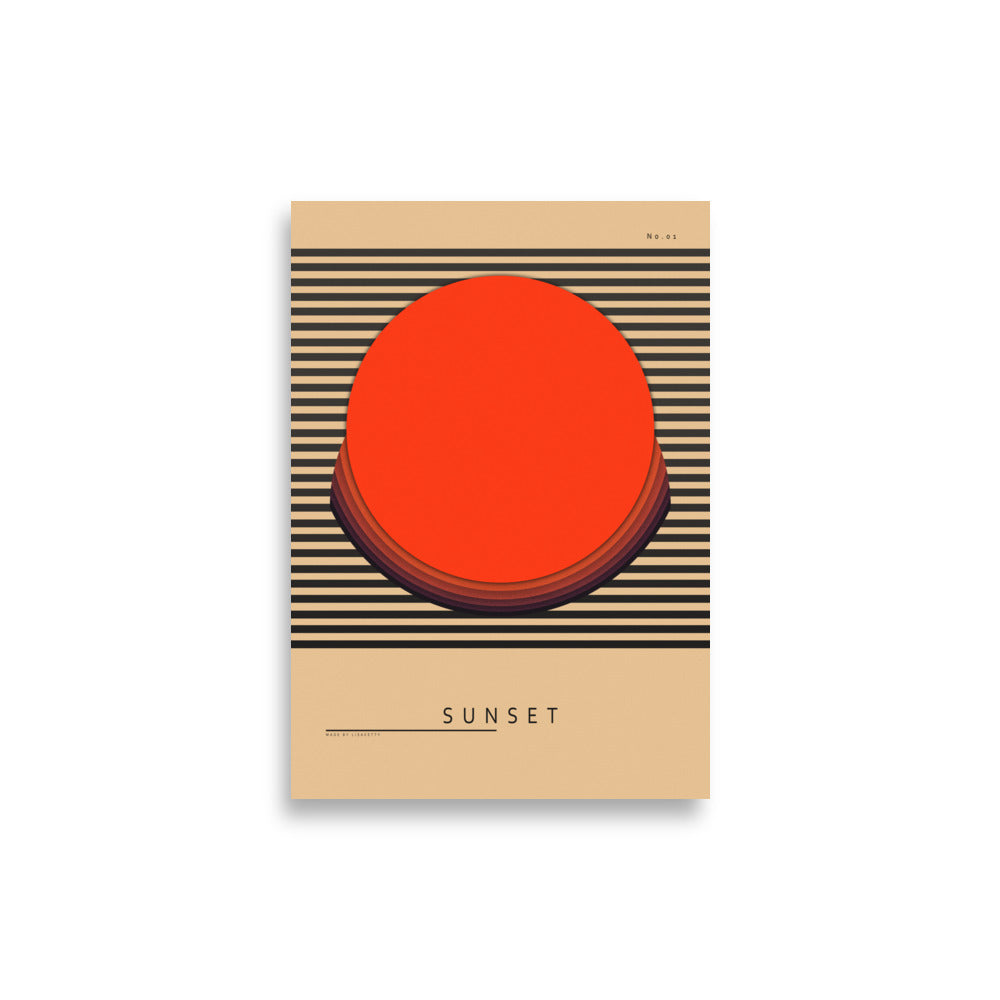
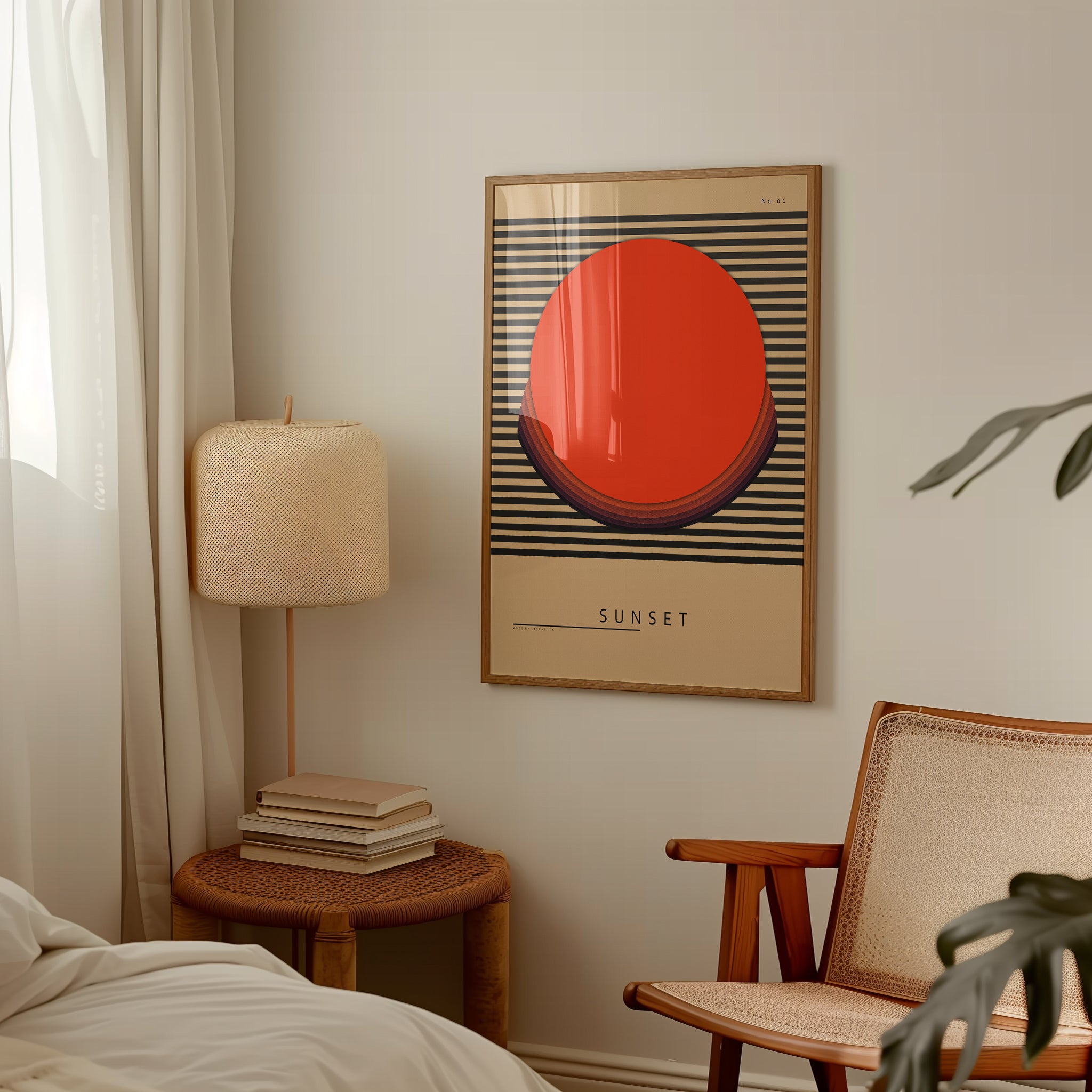
Warm minimalism isn’t only beige. We work with soft oranges, terracotta, rust, muted pinks, creamy whites, and warm browns, often anchored by one deeper tone. A piece like our Sunset Abstract Art Poster at $32.00 is a good example: deep orange sunset bands against a quiet neutral background.
The key is proportion. One strong warm artwork can carry a room if the surrounding walls and furniture stay calm. When pairing multiple pieces, we repeat just a few colors so the room feels cohesive rather than busy.
4. Warm Minimalist Wall Art: Posters vs Originals
Art is one of the easiest ways to introduce warm minimalism without renovating. We typically see two paths: museum-quality posters and one-of-a-kind originals. Posters let you test compositions and colors at accessible prices, while originals add depth and texture you can feel.
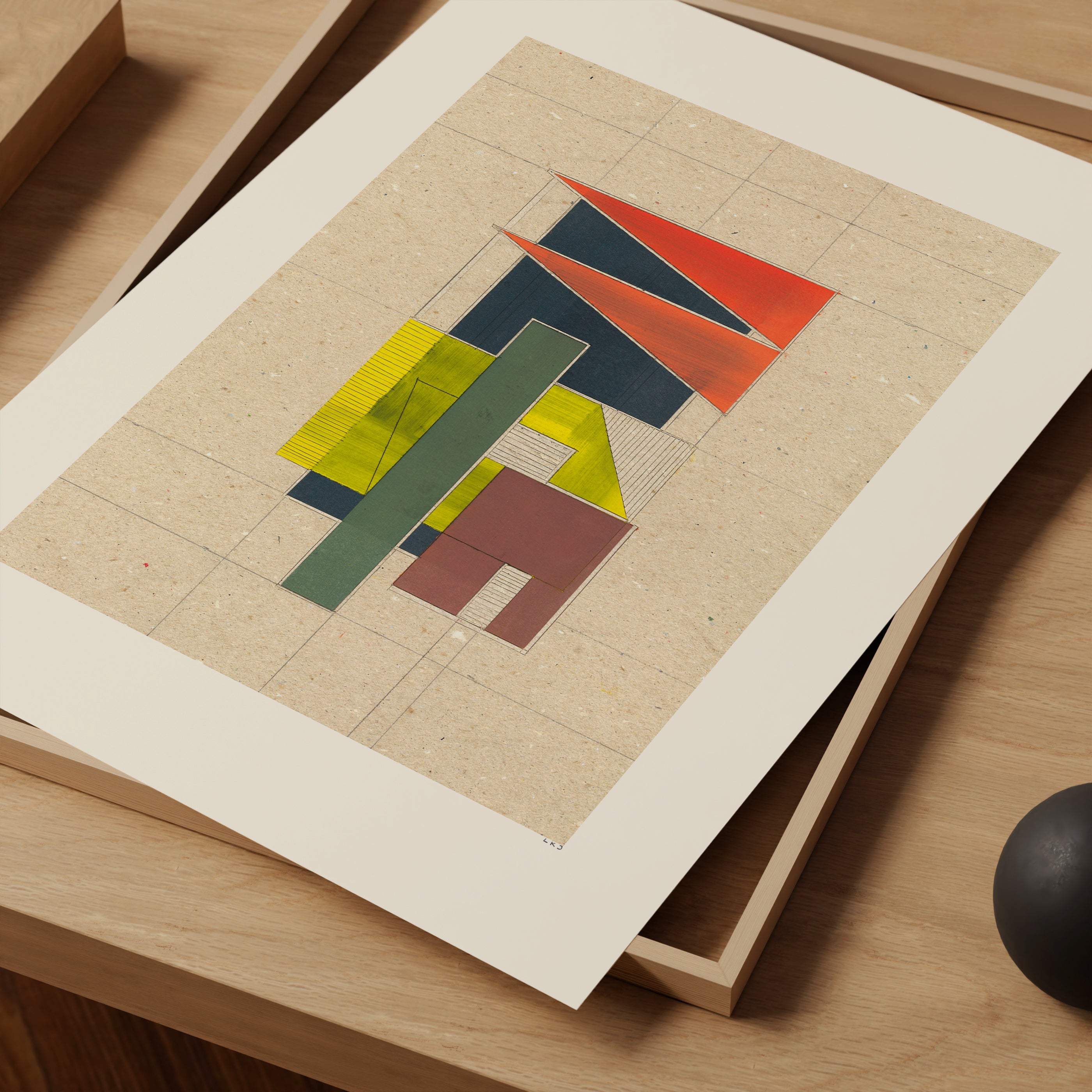
For example, our Architectural Building Poster at $80.00 brings a crisp, geometric composition to a room without dominating it. Pairing a poster print with a single cardboard or paper-pulp original on another wall creates a balanced, layered look that still reads minimal.
5. Geometric Warm Minimalism: Color Block Totems and Architecture
Color Block Totem Poster
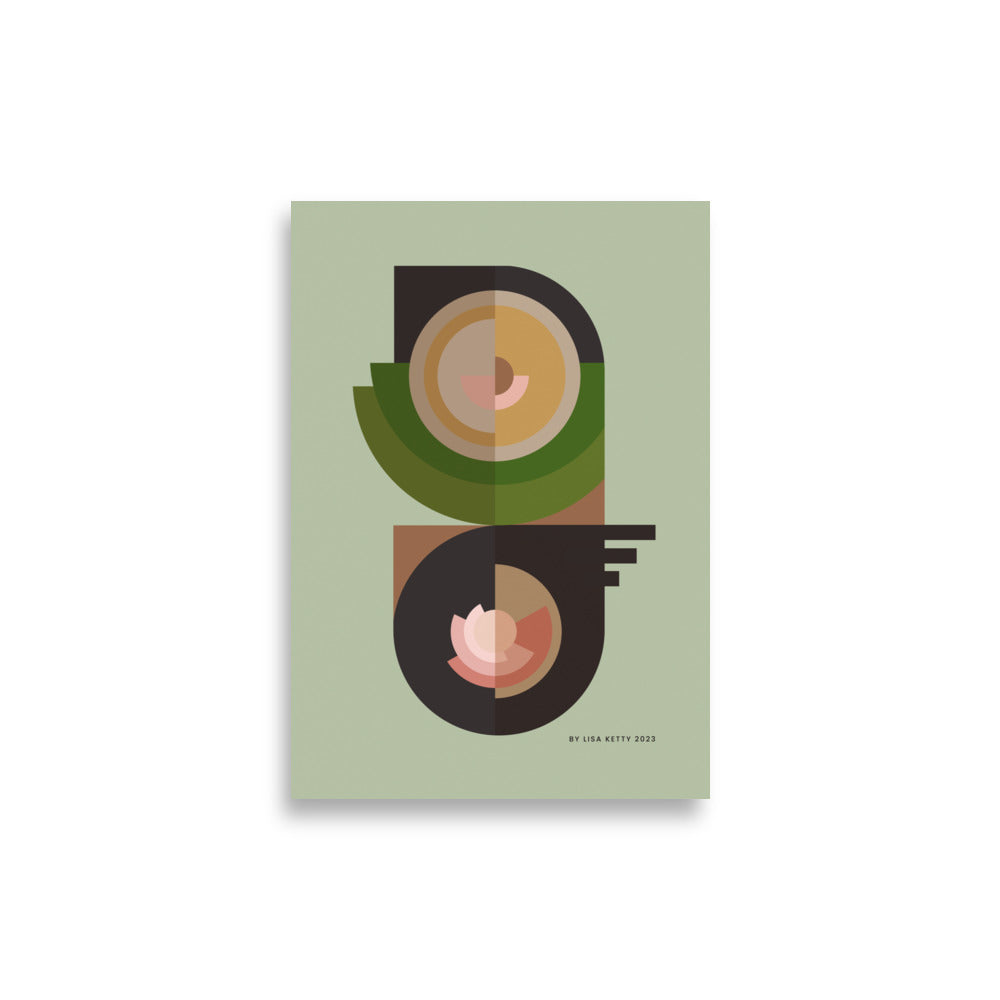
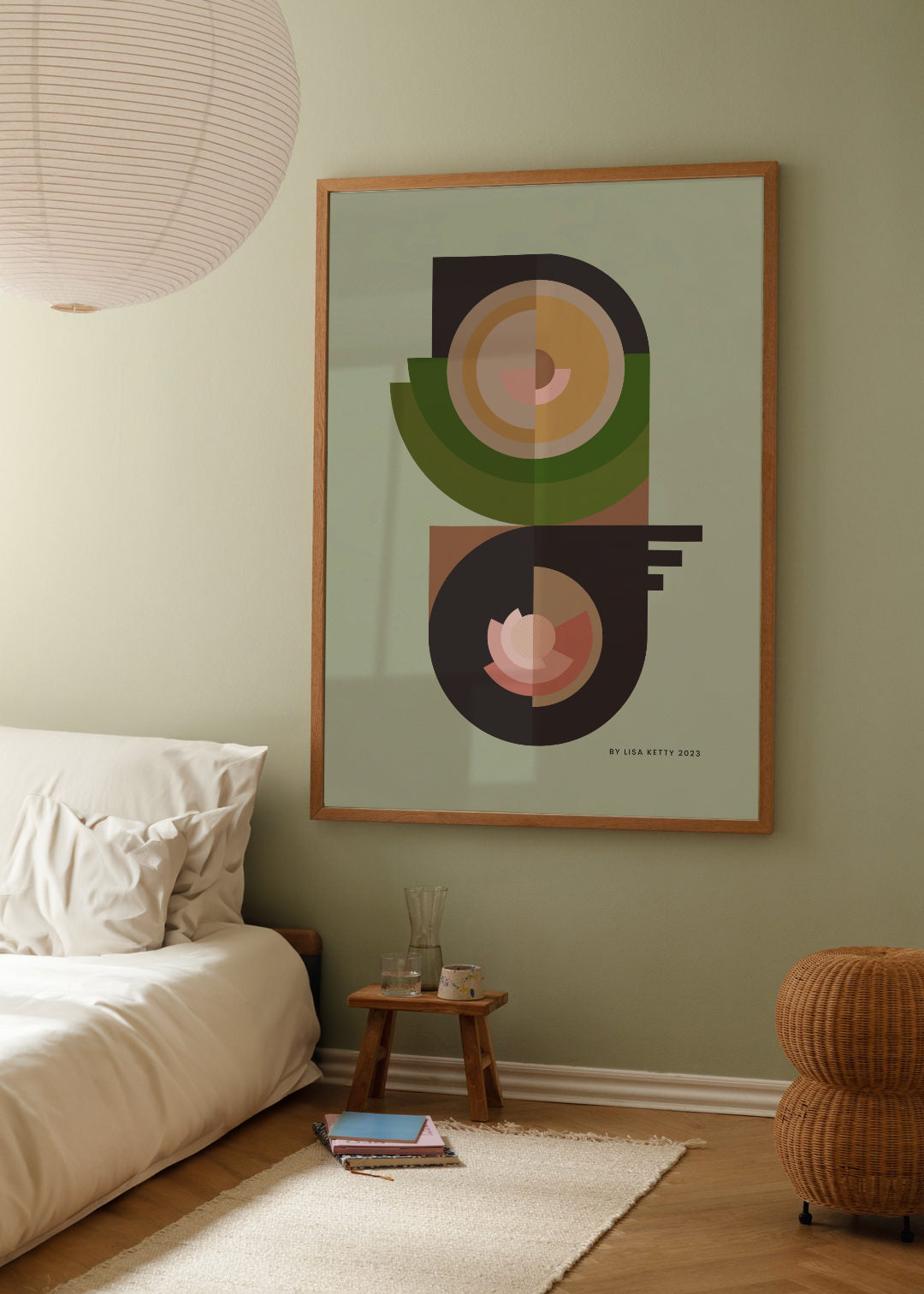
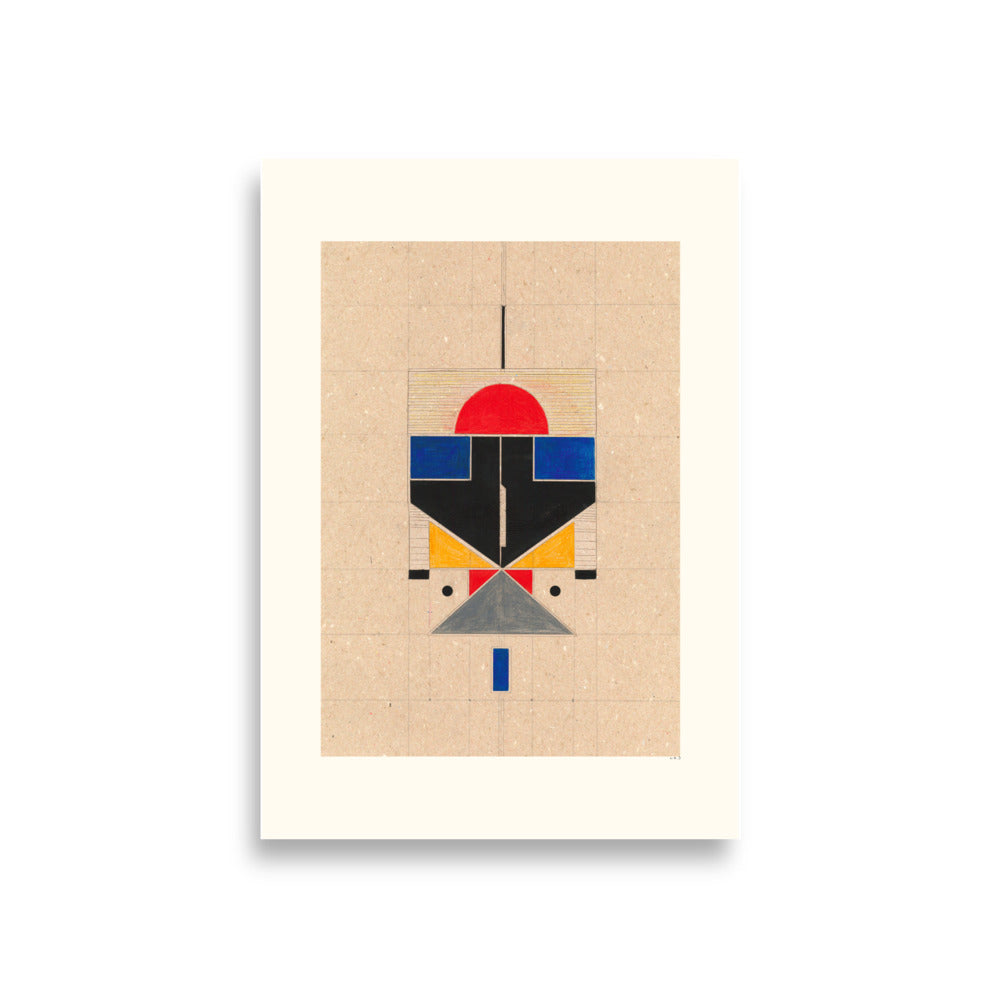
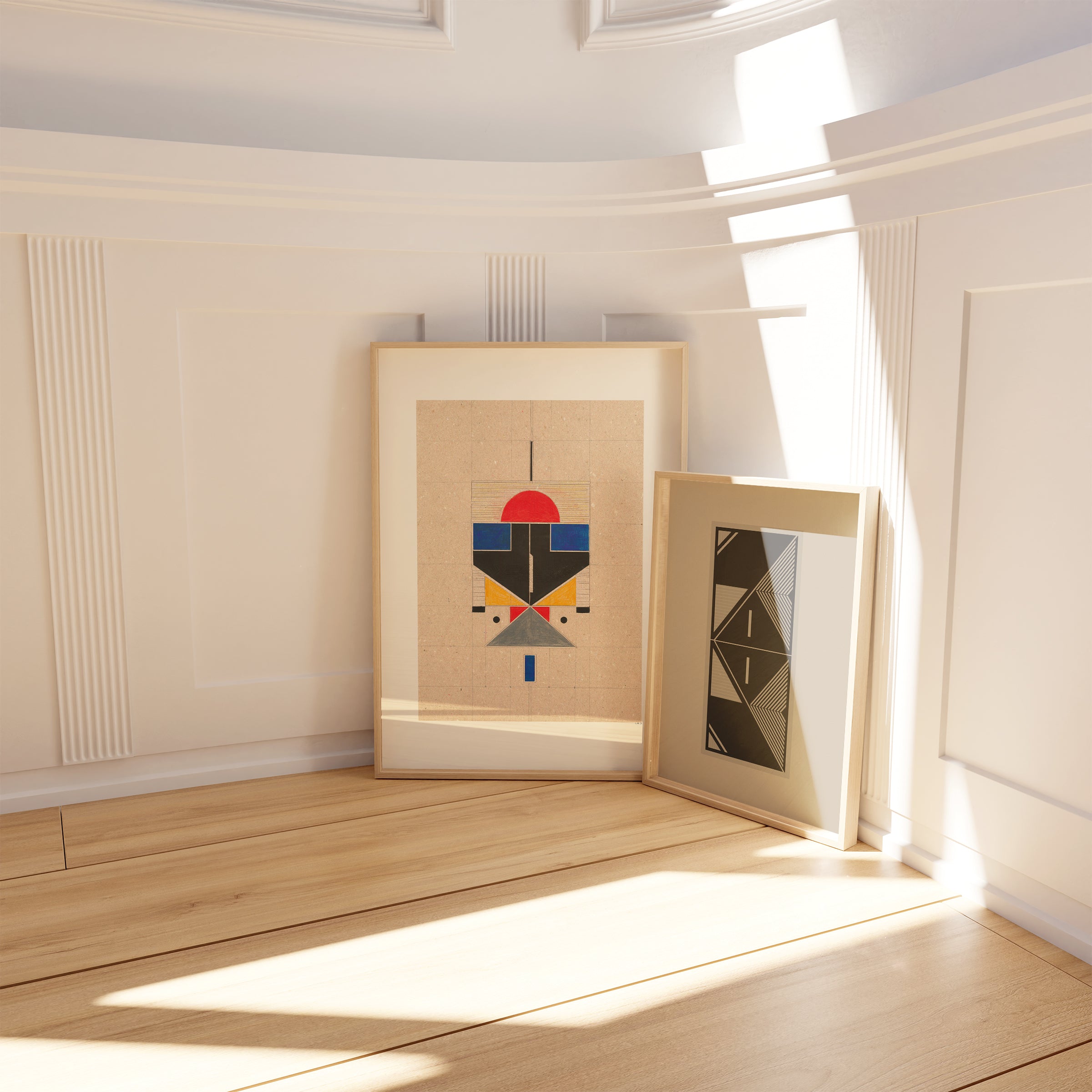
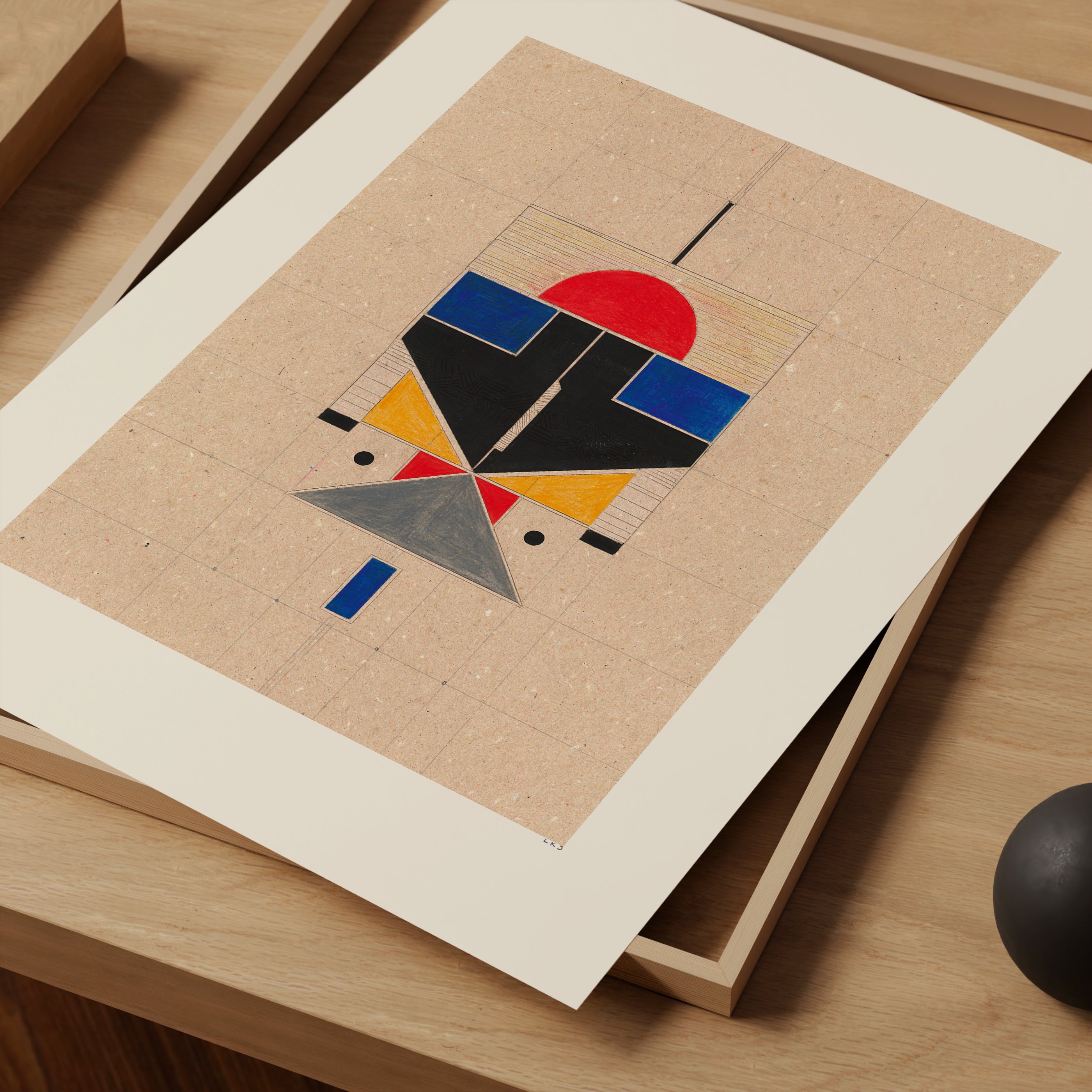
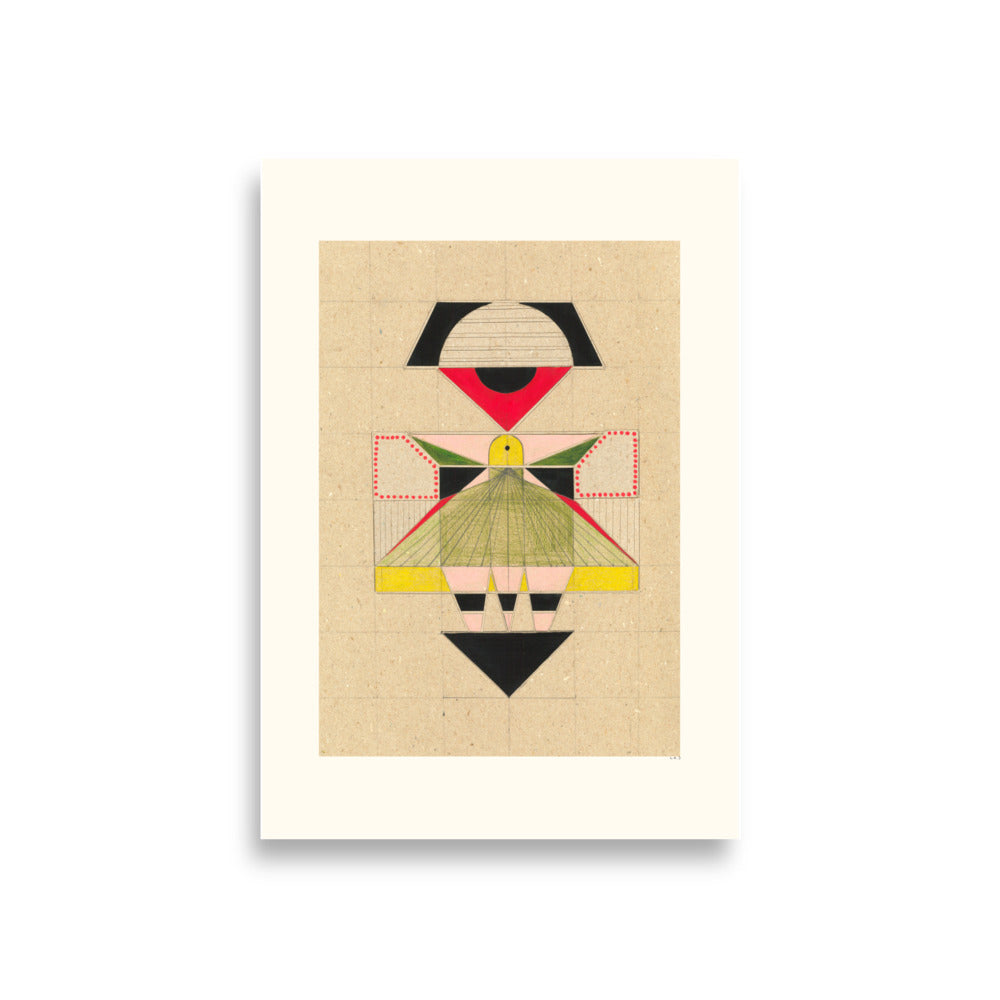
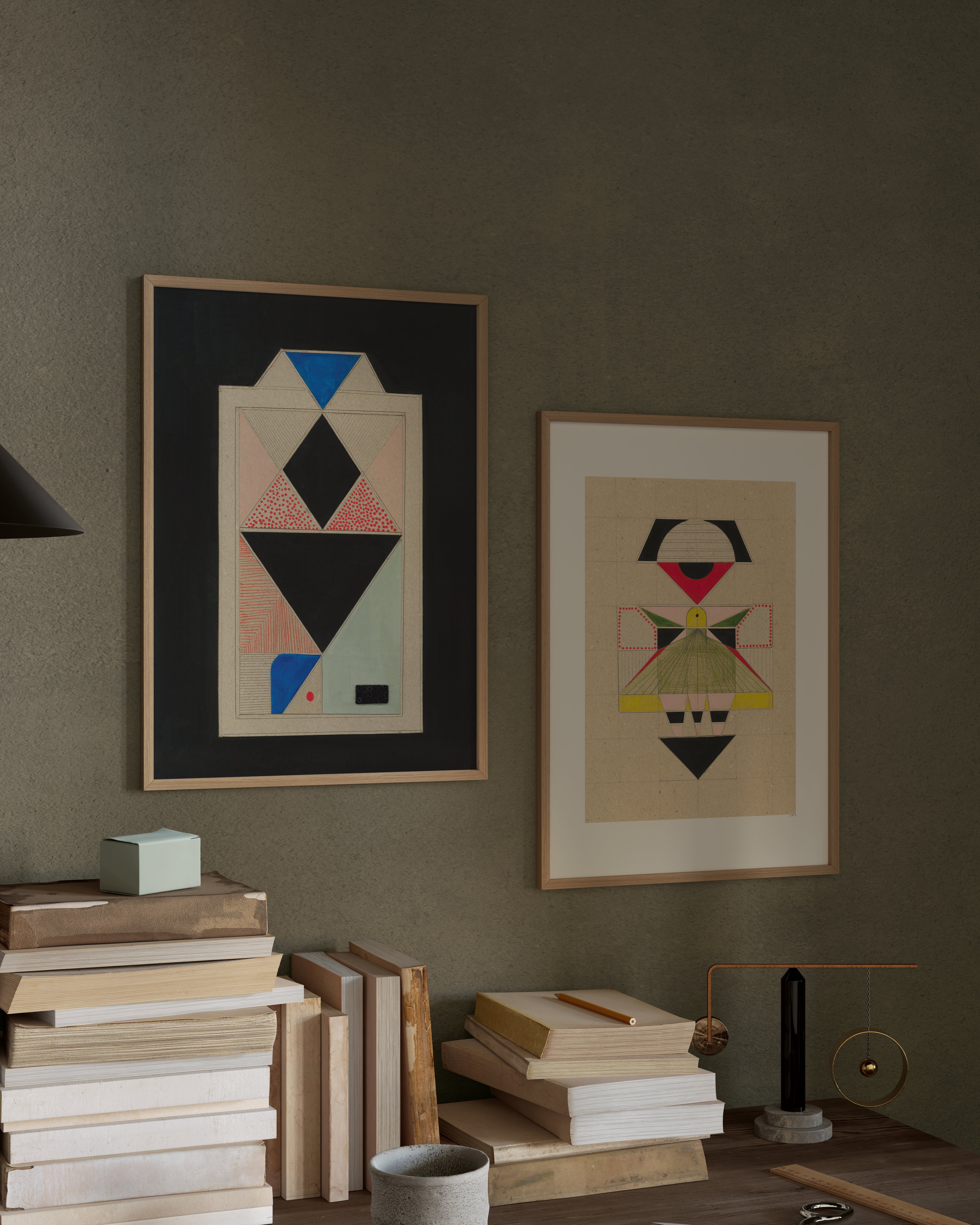
Geometric art fits perfectly into warm minimalism because it’s visually clear and easy to live with. Our Color Block Totem Poster ($80.00) uses stacked color blocks with clean edges, echoing the quiet order of Scandinavian interiors while still feeling playful and warm.
Placed above a low sideboard or in a hallway, a piece like this guides the eye vertically, making ceilings feel higher without crowding the room. The key is to keep surrounding objects simple so the geometry remains the focus.
Architectural-Inspired Posters
Posters derived from cardboard architectural artworks bring in depth and structure without visual noise. Their blocky shapes and soft edges read almost like simplified cityscapes, which suit modern apartments and compact spaces where every detail counts.
6. Sculptural Warm Minimalism: Cardboard Reliefs and 3D Pieces
Zig-Zag Cardboard Artwork
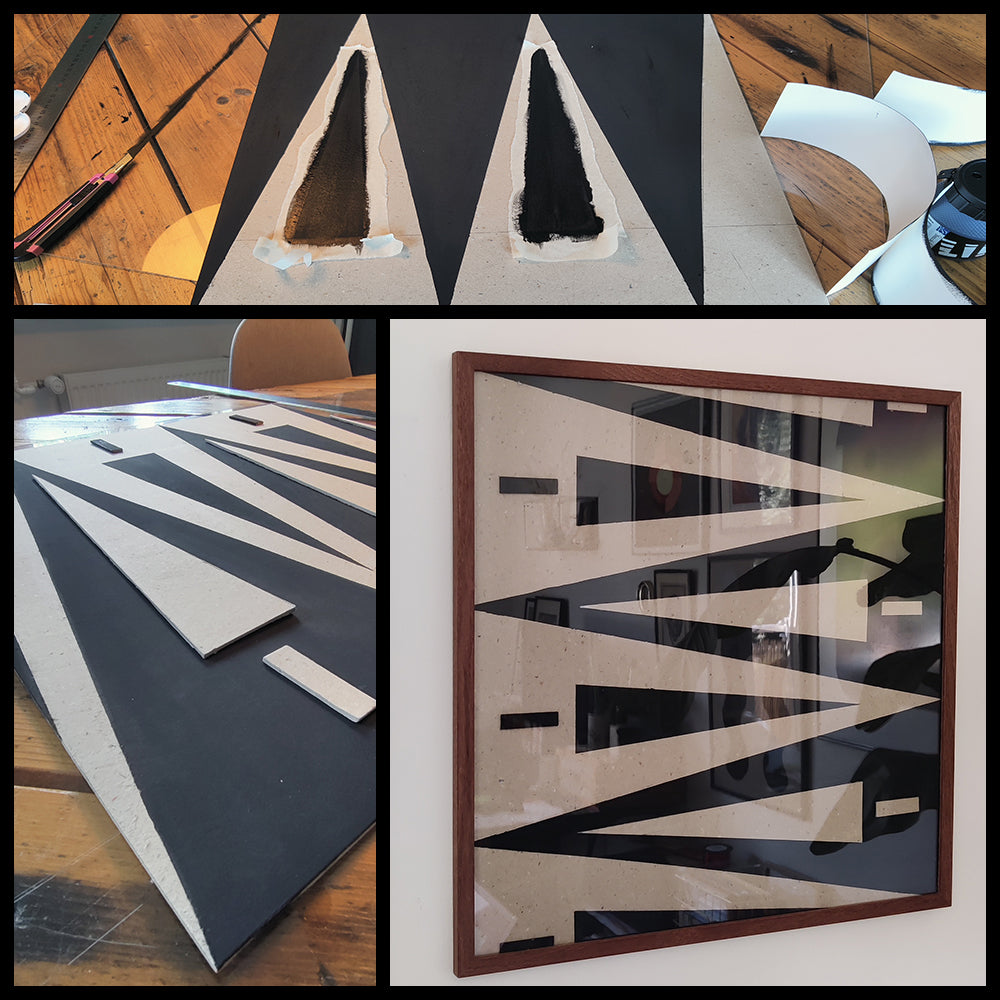
Sculptural pieces add a quiet drama to warm minimalist spaces. Our Zig-Zag Cardboard Artwork (1/1 edition, $481.00) is a three-dimensional relief in a dark oak frame that plays with light and shadow. Despite its striking form, the palette and material keep it grounded and warm.
Because it’s built from layered cardboard, the artwork feels both contemporary and human. On a neutral wall, it becomes a focal point that changes character throughout the day as natural light moves across its surface.
Original Diamond Cardboard Artwork
The Original Diamond cardboard artwork at $401.00 explores linear cuts and colored accents on cardboard, making it ideal for those who like minimalism with a hint of energy. The composition stays controlled, but the carved depth and color pops bring the warmth.
7. Tactile Warm Minimalism: Paper Pulp and “Slow Art” Textures
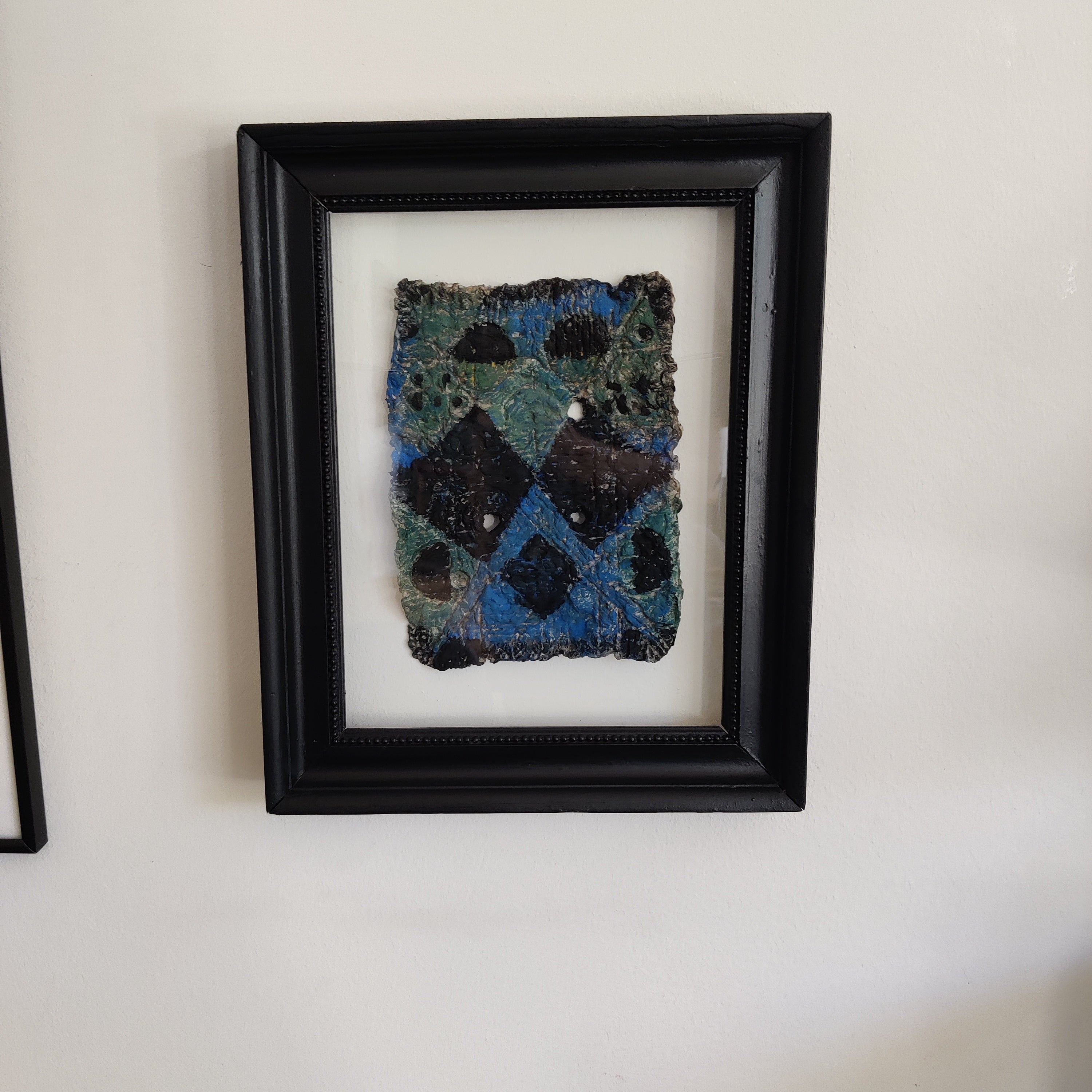
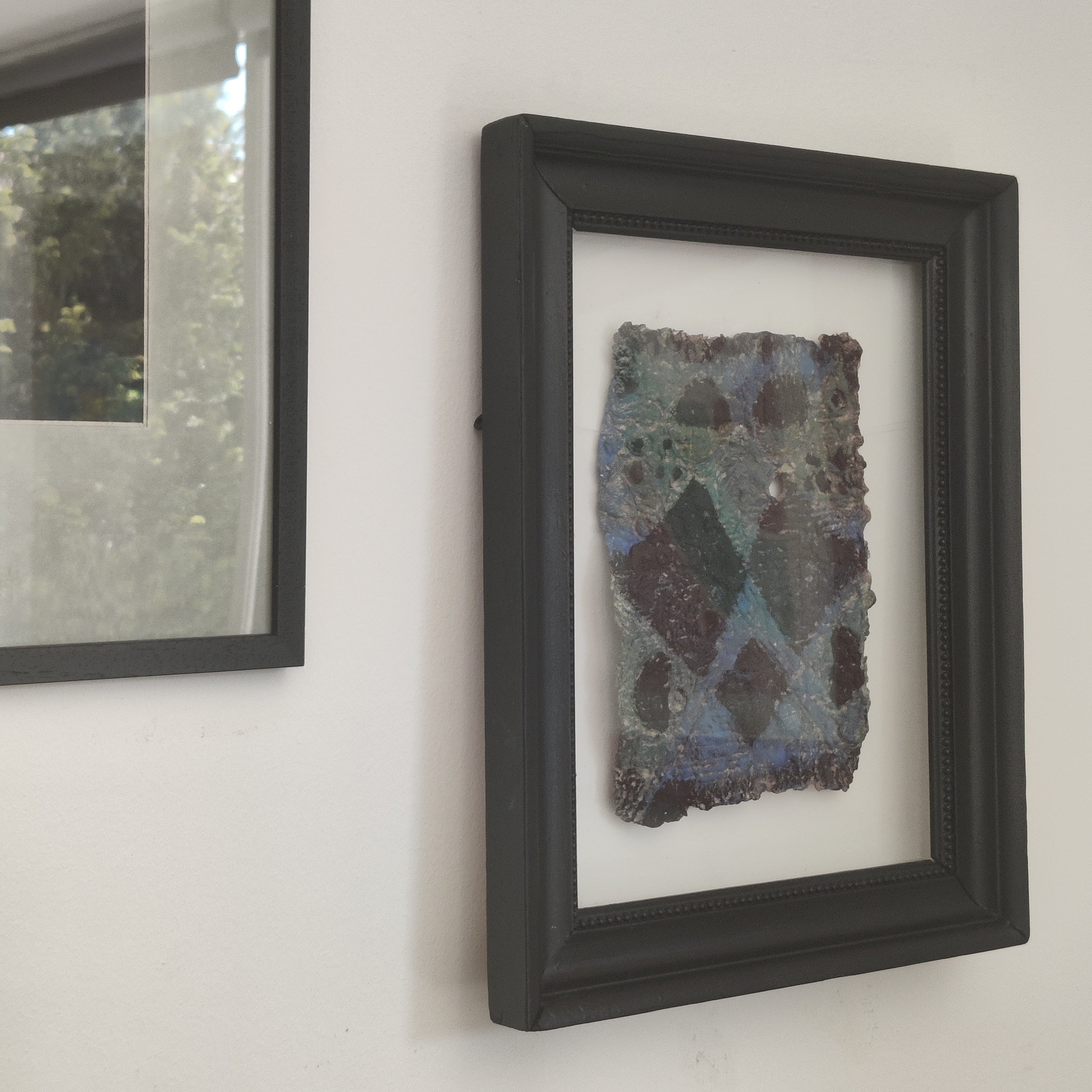
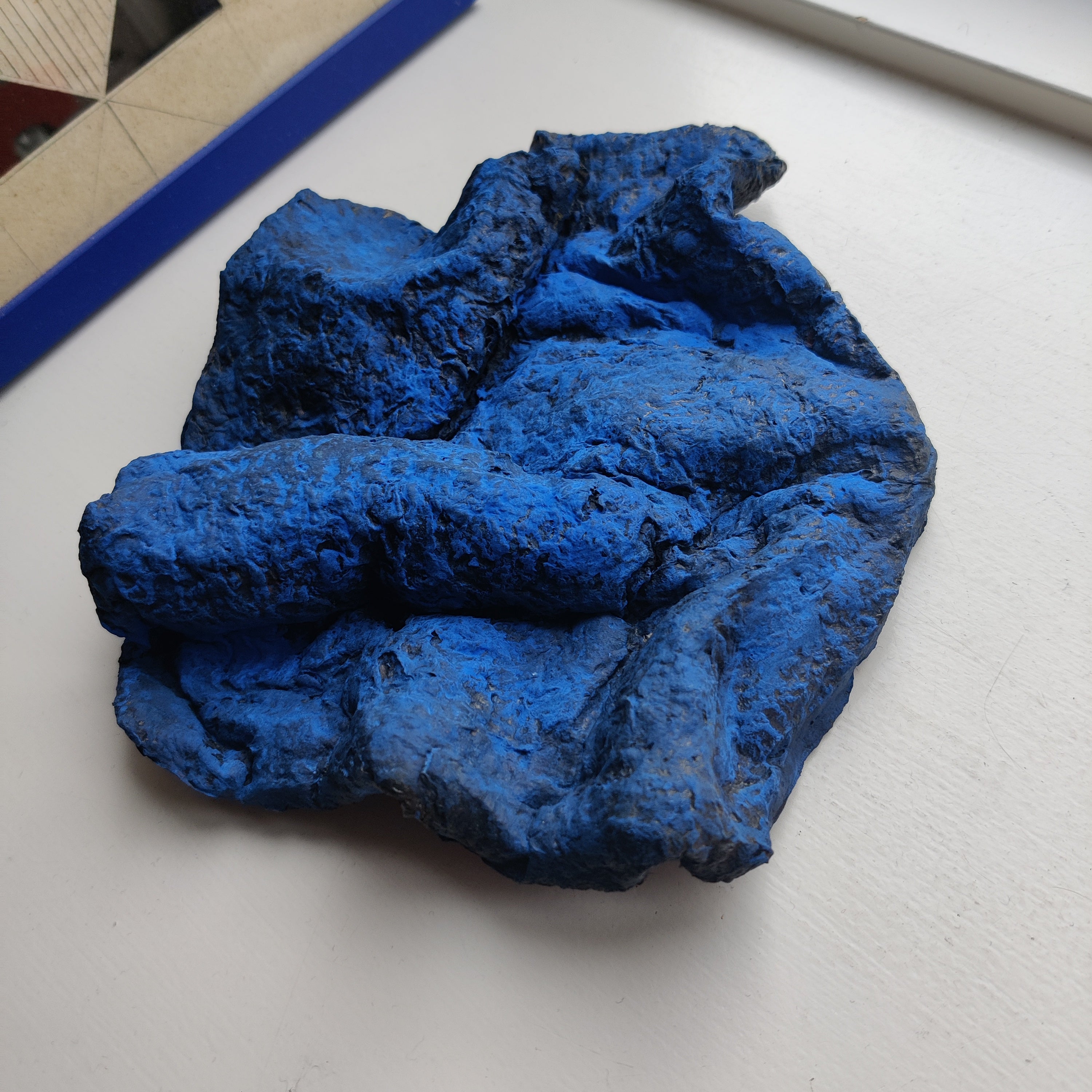
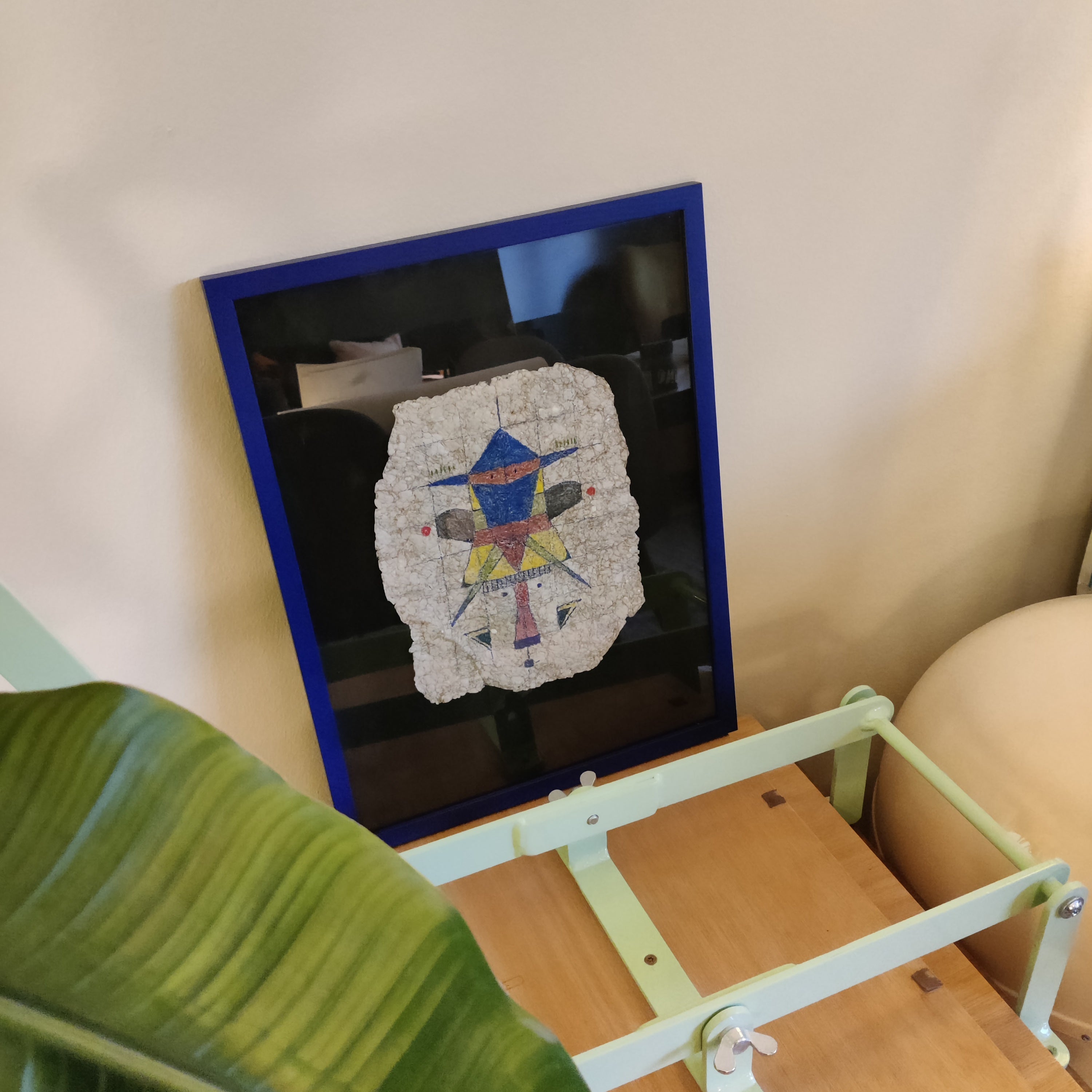
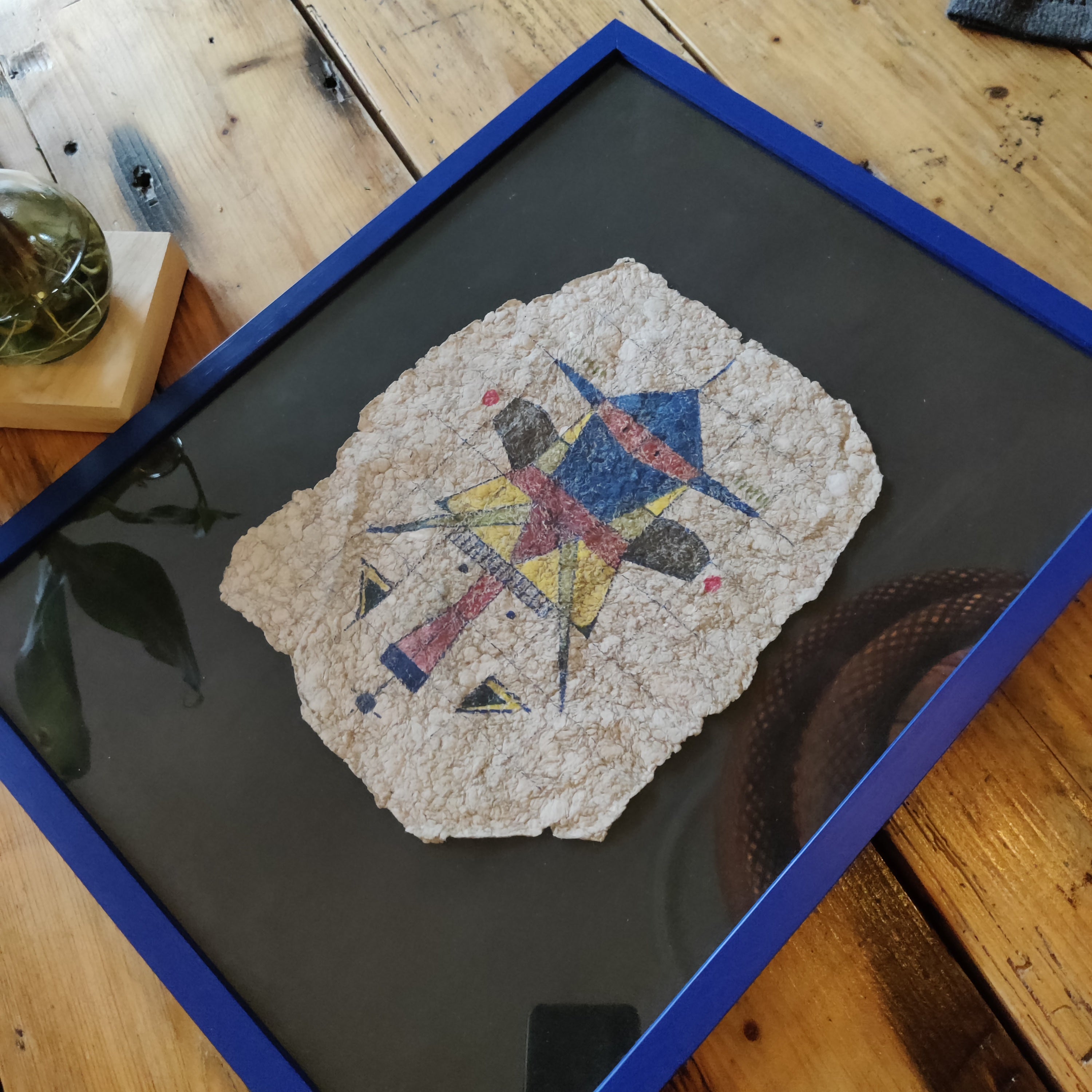
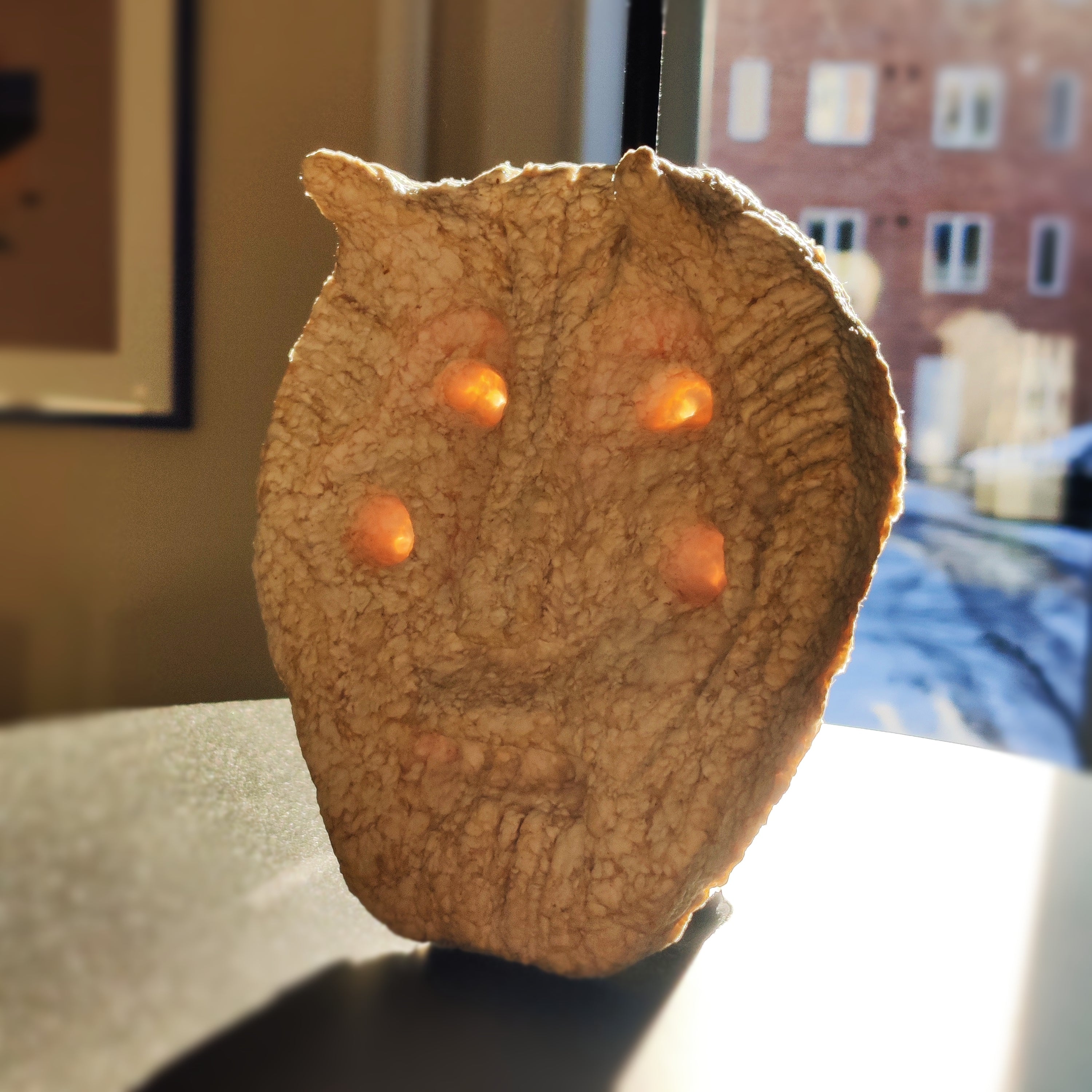
One of the deepest ways to make minimalism feel warm is through texture. Paper-pulp and clay-based reliefs offer a soft, almost stone-like presence that pairs well with simple wood furniture and linen textiles. These surfaces invite touch and reward close looking.
Our framed piece The paper pulp floating cloth framed ($241.00) is a good example: the white pulp form “floats” in a black wooden frame, creating gentle shadows while staying visually quiet. It’s minimal in color, rich in tactility.
8. Warm Minimalism in Everyday Objects: Bottles, Masks, and Organic Shapes
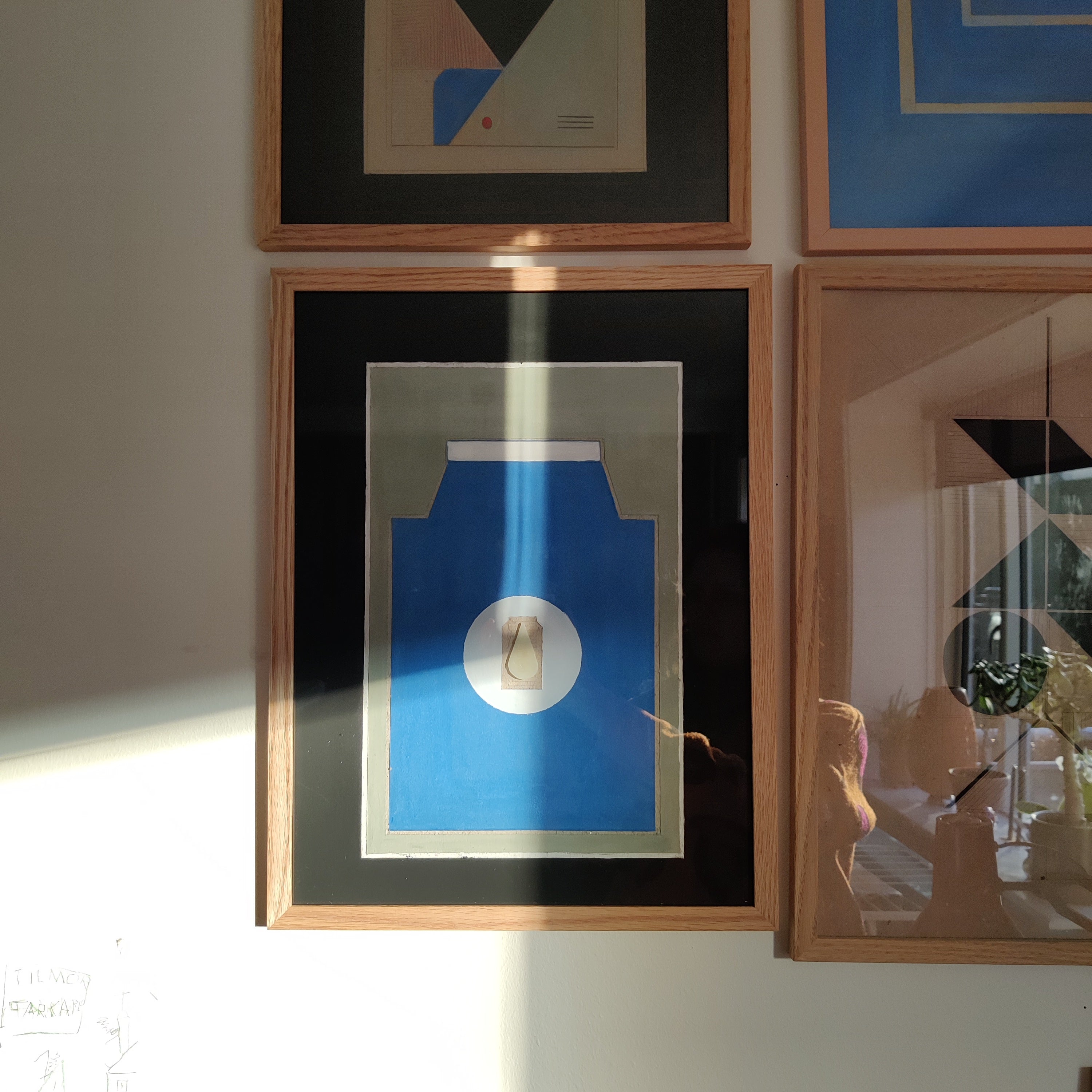
Milk Bottle with the Drop of Light
Warm minimalism also works beautifully with everyday motifs, simplified down to their essence. Our Milk bottle with the drop of light original paper-pulp piece ($401.00) reduces a familiar bottle shape into soft, sculptural planes, finished with linoleum paints in warm tones.
Pieces like this add a quiet narrative to a room without cluttering it—one strong object on a shelf can say more than a dozen small decorations. The thick, handmade surface catches light differently throughout the day, adding to the “slow art” feel.
Volcano Part and Organic Reliefs
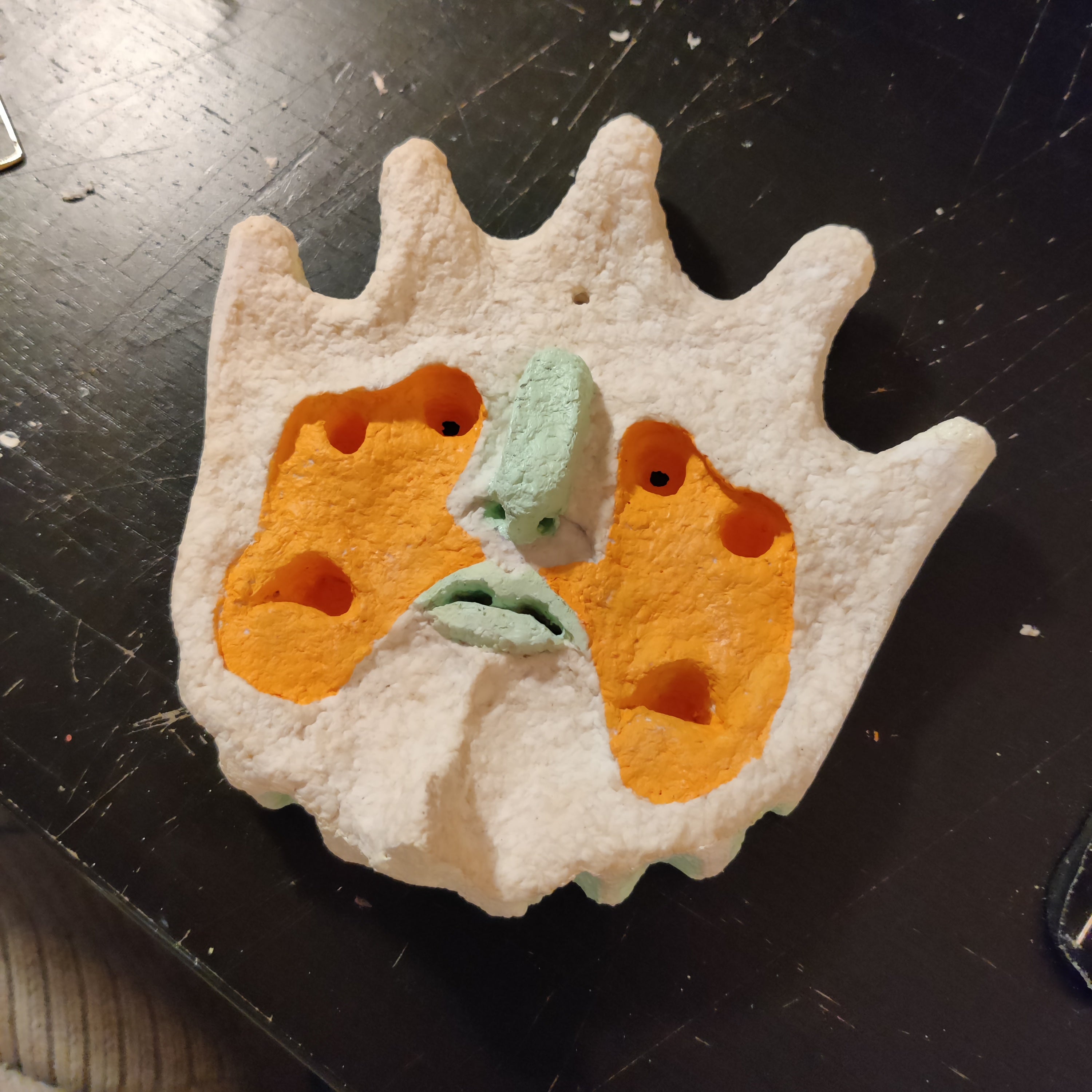
Organic reliefs such as the Volcano Part artworks bring in the softness of nature while staying abstract. Their irregular edges and layered pulp surfaces sit well above a bench or console, particularly when you keep the surrounding decor spare.
9. Styling Tips: Where to Place Warm Minimalist Art in Your Home
Placement is crucial in warm minimalism because negative space is part of the design. We usually hang one medium or large piece at eye level and let at least half a meter of clear wall surround it. This breathing room makes both the artwork and the room feel calmer.
Console tables, low shelves, and sideboards are perfect partners for sculptural cardboard or paper-pulp works. A single relief leaning against the wall above a wooden surface, with perhaps one plant or bowl beside it, creates a still life that feels intentional but not stiff.
| Room | Recommended Warm Minimalist Piece | Why It Works |
|---|---|---|
| Living Room | Sunset Abstract Art Poster / Zig-Zag Cardboard Artwork | Sets a cozy focal point and plays with evening light. |
| Dining Area | Color Block Totem Poster | Vertical geometry adds structure without clutter. |
| Hallway | Architectural Building Poster | Guides the eye through the space with clean lines. |
| Bedroom | Paper-pulp reliefs (e.g., floating cloth) | Soft textures and neutral tones keep the mood calm. |
10. Balancing Budget and Impact in a Warm Minimalist Home
You don’t need to redo your entire home to enjoy warm minimalism. Many of our clients start with a single poster around $32.00–$80.00 and later add one original cardboard or paper-pulp piece in the $241.00–$481.00 range when they’re ready. The mix keeps things attainable while still feeling curated.
A simple approach is to choose: one statement poster for the largest wall, one smaller original for a shelf or sideboard, and then consciously remove a few older decorative items. The absence of excess is just as important as the new additions.
11. Slow, Human-Made Warm Minimalism: Our Studio Perspective
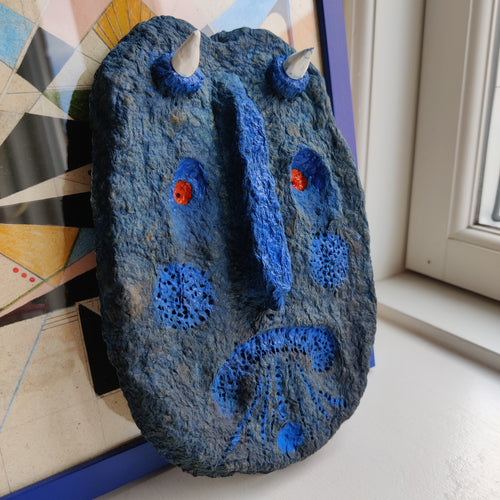
As a Danish studio working with cardboard and paper pulp, we see warm minimalism as more than a style; it’s a pace. Each relief sculpture, mask, or poster begins with a physical, hands-on process—cutting, layering, pressing, and painting—that naturally limits excess and focuses on what matters.
We design for homes where you can exhale: fewer objects, softer edges, and art that feels human and approachable.
Whether you choose a small graphic poster or a one-of-a-kind relief, our aim is the same: help you create spaces that are simple but never cold, and minimal but always warm enough to live in comfortably every day.
Conclusion
Warm minimalism is not about empty rooms; it’s about thoughtful choices. By combining simple forms, warm color palettes, and tactile materials like cardboard and paper pulp, you can create spaces that feel both clear and comforting. A single sunset poster, a quiet geometric print, or a sculptural relief can change the entire mood of a room when you give it space to breathe.
From accessible posters around $32.00 to original sculptures in the $400+ range, our work is designed to support that balance—less distraction, more feeling. When you choose warm minimalism, you’re choosing rooms that work harder with fewer pieces, and art that quietly supports how you want to live every day.