
Slow Art is about more than looking at a piece for longer than a few seconds. It is about materials that remember touch, processes that take days or weeks, and artworks that carry visible traces of time, repetition, and care. In handmade paper pulp and cardboard reliefs, Slow Art becomes something physical: you can see every cut, fold, and pressed fiber.
Key Takeaways
| Question | Answer |
|---|---|
| What is Slow Art? | Slow Art focuses on time-intensive, handmade processes where the viewer is invited to look slowly and notice details such as texture, layering, and small imperfections in materials like cardboard and paper pulp. |
| Why do paper pulp pieces fit Slow Art? | Paper pulp dries, cracks, and settles over time, creating unique textures that cannot be rushed. Collections such as Paper Pulp Original Artwork are built entirely around this slow, tactile process. |
| How does cardboard relief become Slow Art? | Layered cardboard reliefs demand meticulous cutting, stacking, and painting. The collection of Cardboard Original Artwork shows how a humble material can become a patient sculptural practice. |
| Can Slow Art be affordable? | Yes. Original paper pulp pieces may cost over 100 €, while prints and posters inspired by those originals, such as those in the prints of the originals collection, offer a slower, more thoughtful aesthetic at a lower price. |
| Is Slow Art also about how art is viewed? | Definitely. Slow Art encourages viewers to spend minutes, not seconds, with a work: tracing lines in a geometric relief, following color blocks, or studying how a paper pulp mask was formed. |
| Can prints still feel like Slow Art? | Prints of cardboard and pulp originals preserve the composition and rhythm of Slow Art. Posters based on geometric reliefs or characters, such as the Blue Penguin or Mystical Cardboard Juice, invite the same unhurried look. |
| Where to start with Slow Art at home? | Begin with one focused piece—a cardboard relief, a paper pulp creature, or a single poster—and build a calm viewing corner. For ideas on processes and materials, the article on DIY cardboard wall art breaks down slow, hands-on approaches. |
1. What Slow Art Really Means in a Fast Visual World
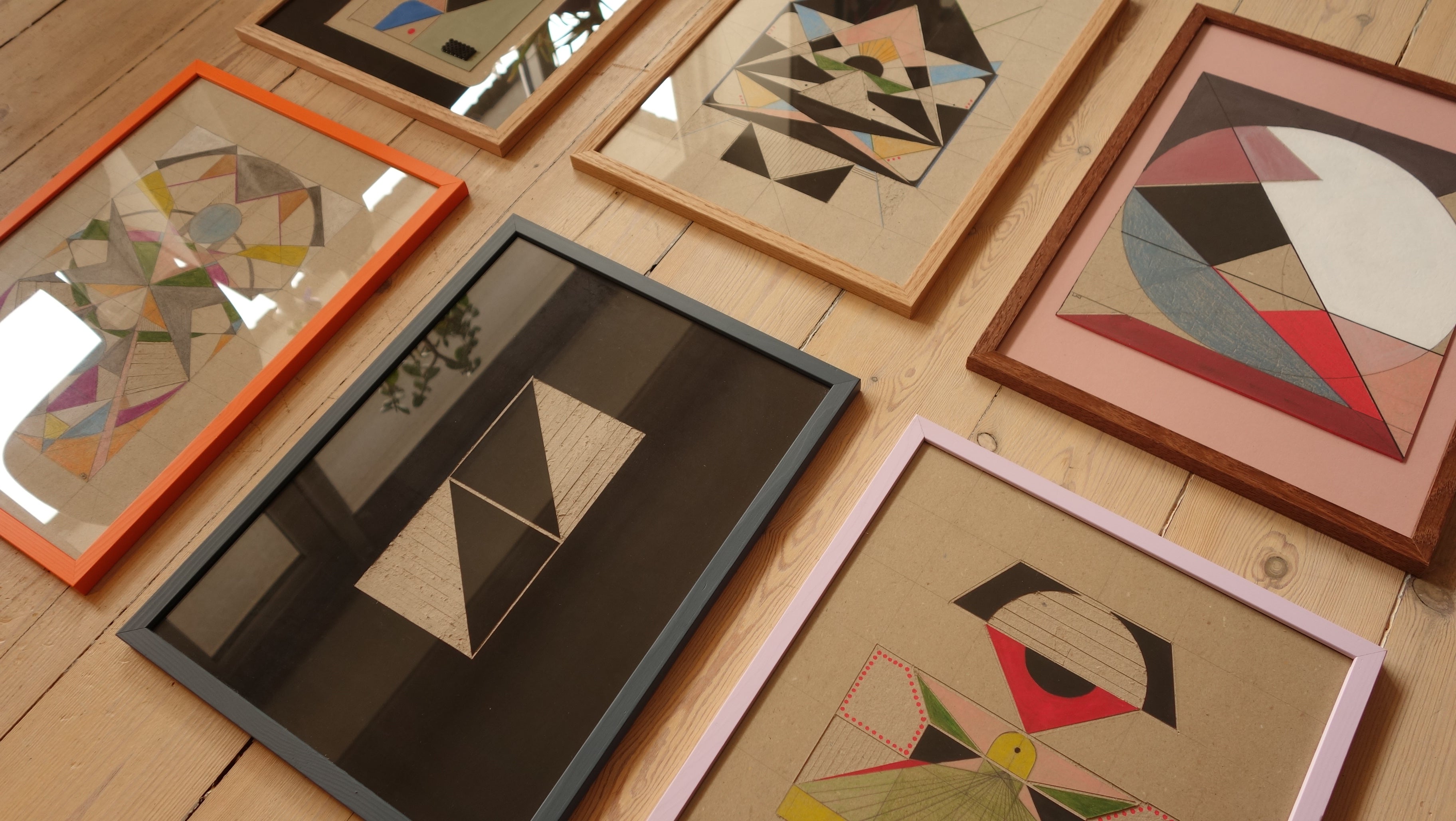
Slow Art stands in clear contrast to the fast swipe-culture of images. Instead of instant impact and quick scrolling, it invites stillness, focus, and repeat viewing. Materials such as cardboard and paper pulp are ideal for this because they reveal process marks that reward patient looking.
In practice, Slow Art often means small variations, quiet compositions, and a visible build-up of layers over time. A surface that took days to dry or edges that were painted by hand show that the artwork did not appear in an instant. The more time a viewer gives, the more details emerge—tiny pencil lines, pressed fibers, or shadows inside a cut.

2. Paper Pulp as a Slow Art Material
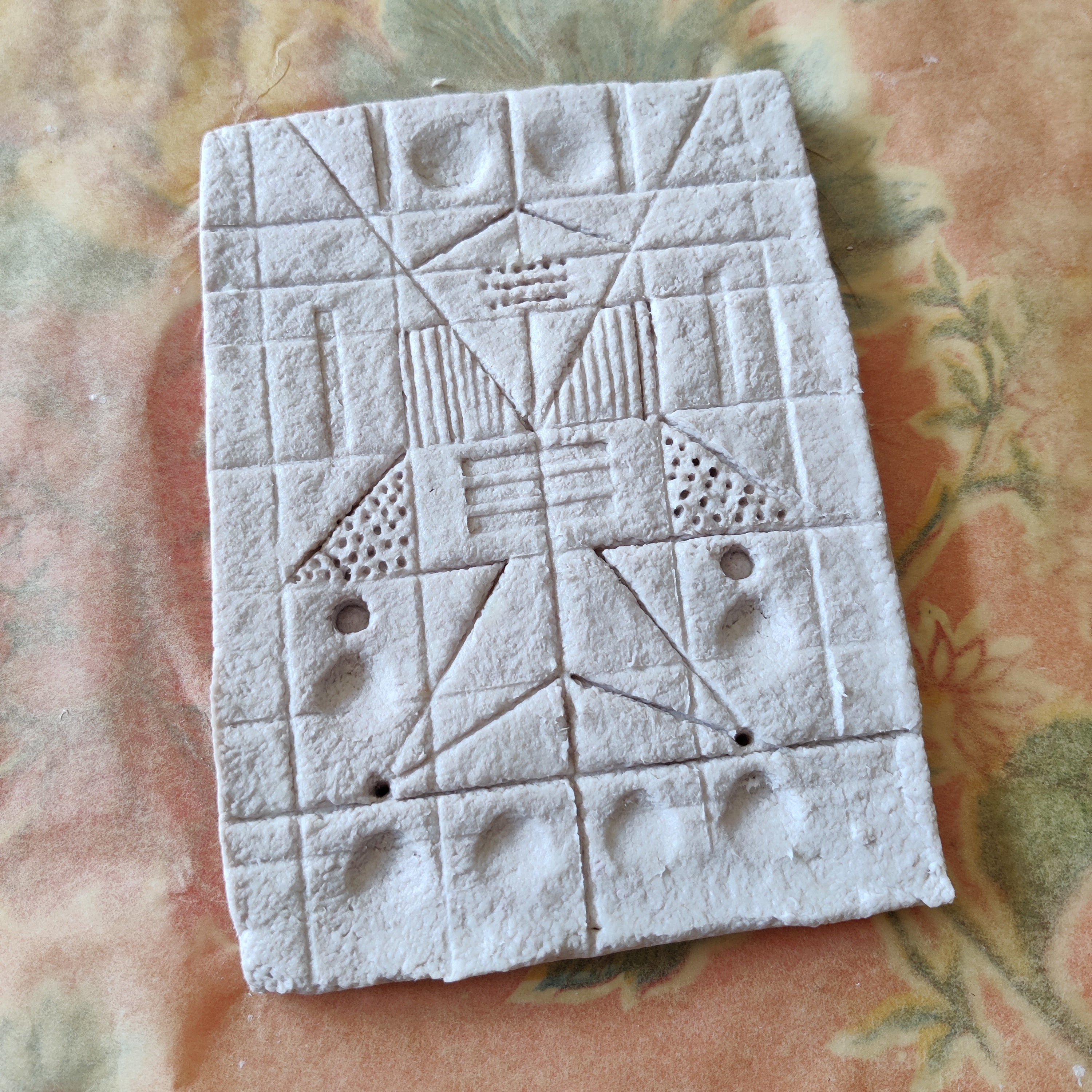
Paper pulp is inherently slow. It starts as soaked, broken-down paper that is pressed, molded, and left to dry—sometimes in several stages. Every movement of the hand leaves an imprint; each drying cycle shifts the surface slightly. The result is a relief that could not be produced by a quick, mechanical method.
Handmade paper pulp artworks often sit between painting and sculpture. They catch light like a sculpture but carry pigments and marks like a painting. Surface irregularities are not mistakes; they are the physical record of a slow process, asking the viewer to lean closer and notice ridges, pores, and subtle transitions.

3. The “Colorful Paper Pulp Creature” and Expressive Slow Characters
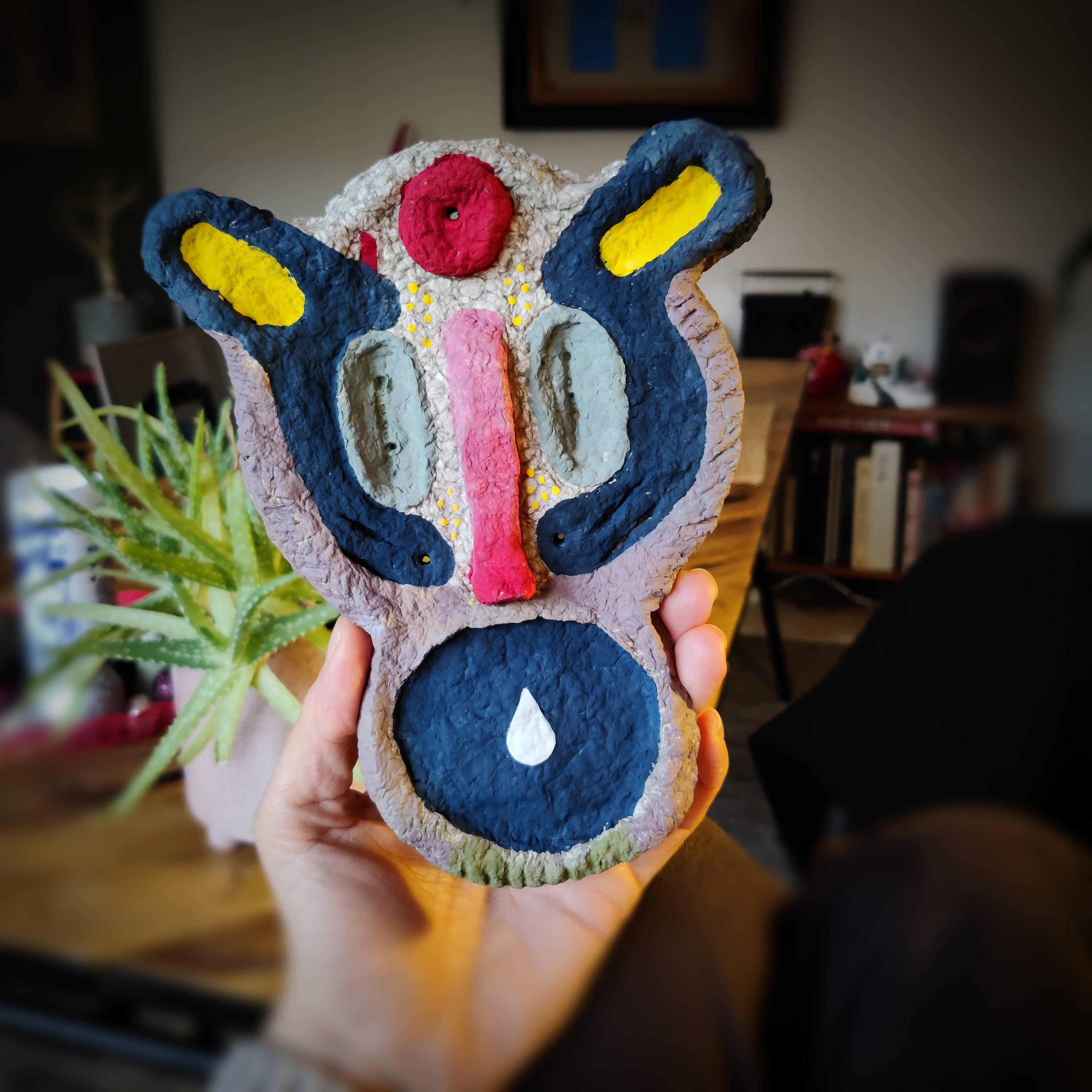
Colorful Paper Pulp Creature – 145 €
The Colorful Paper Pulp Creature is a clear example of Slow Art applied to a playful, character-driven piece. Built from paper pulp and finished with bright accents, it balances spontaneity with a slow, layered technique. At 145 €, it sits in a price range where a unique, handmade process is still accessible.
From a Slow Art perspective, what makes this kind of creature interesting is not just its expression, but how its body records time: pressed pulp around the eyes, thicker ridges along the edges, and color that sinks into uneven surfaces. These details invite repeated viewing and reward anyone who spends more than a passing glance on the work.
4. A Blue Devil and Other Paper-Pulp-Based Characters in Slow Art
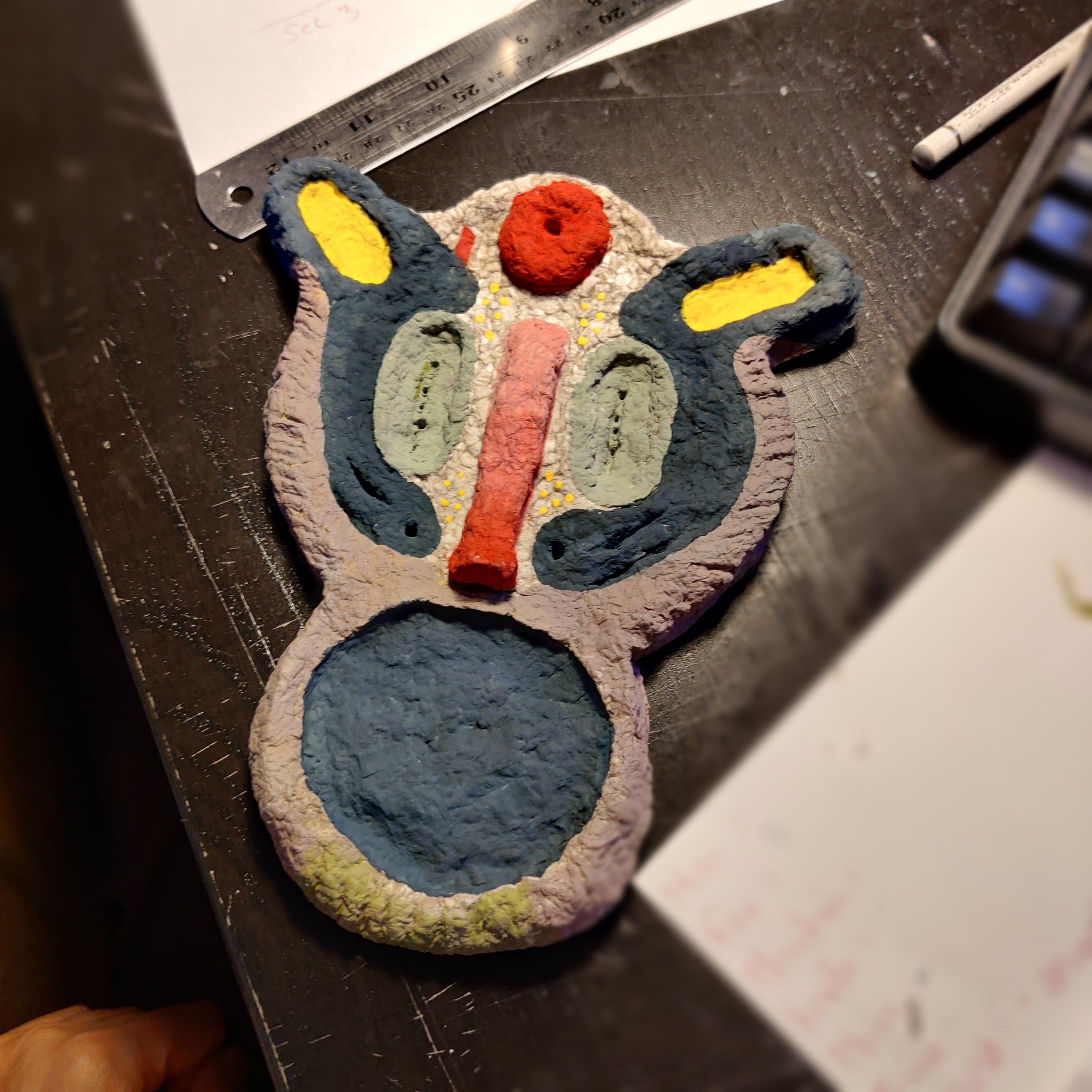
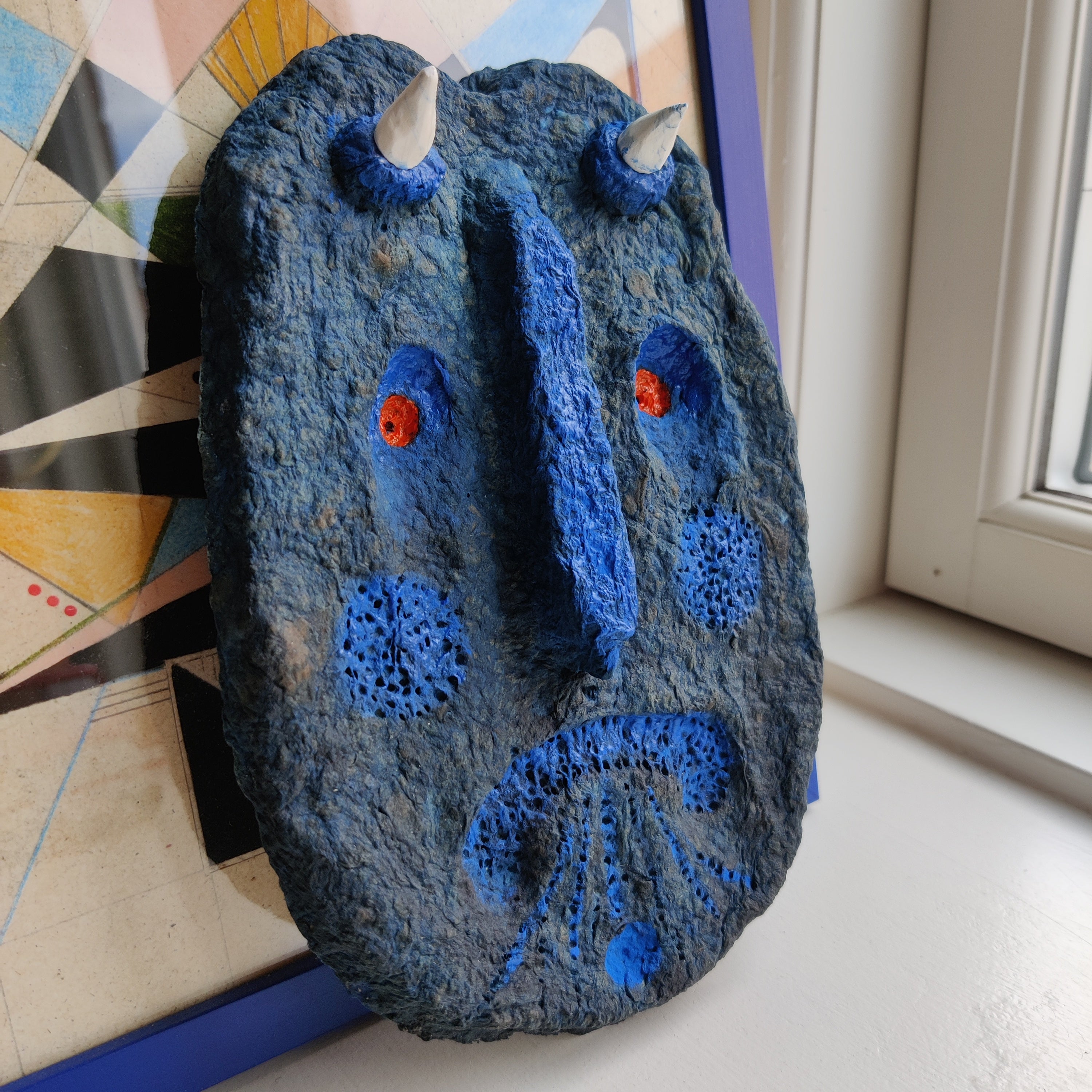
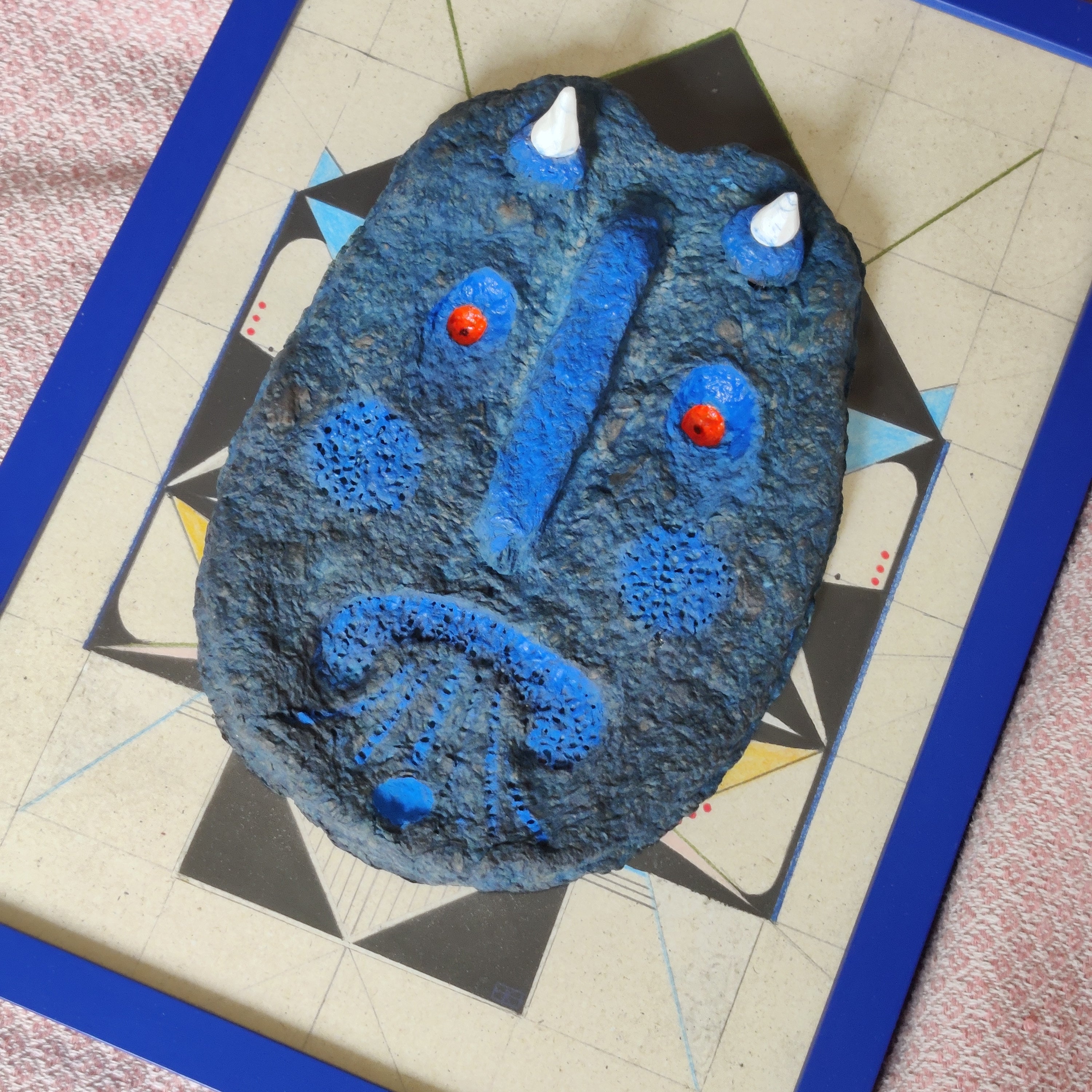
A Blue Devil (made to scare evil away) – 129 €
The piece A Blue Devil (made to scare evil away) mixes a simple, bold character design with slow, craft-based construction. Priced at around 129 €, it shows how Slow Art can appear humorous and light while still resting on patient, time-heavy work. The cardboard and pulp elements capture shadows around the nose, horns, and eyes, making the devil feel more alive in person than on screen.
Characters like this are ideal for Slow Art viewing at home. Standing in front of such a piece, a viewer can trace the cut lines, the slight irregularity in painted surfaces, and the interplay between flat color and raised pulp. Even if the subject is whimsical, the time invested remains serious and deliberate.
5. Cardboard Relief: Geometric Slow Art in Layers
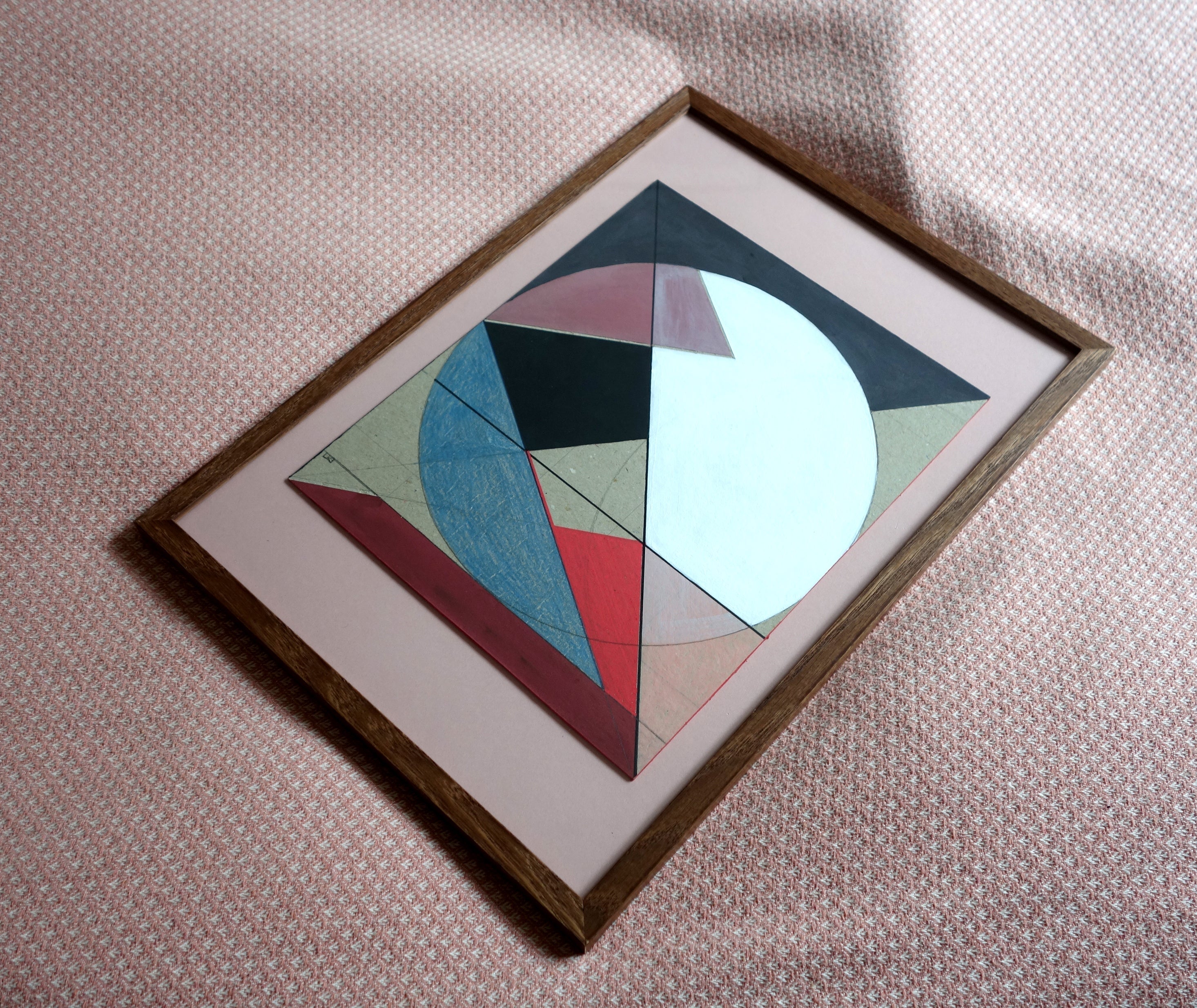
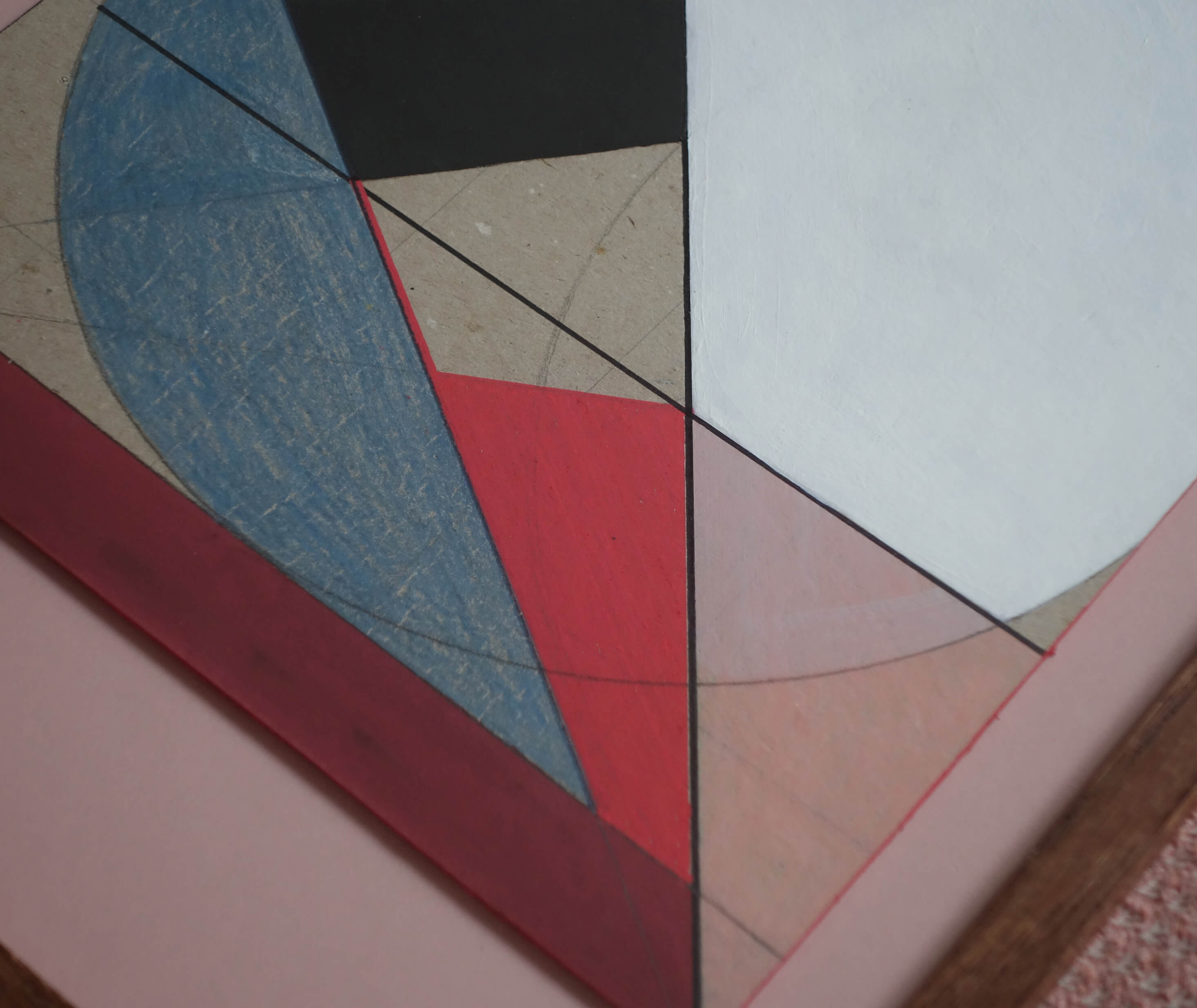
Geometric Lines with Painted Edges – 401 €
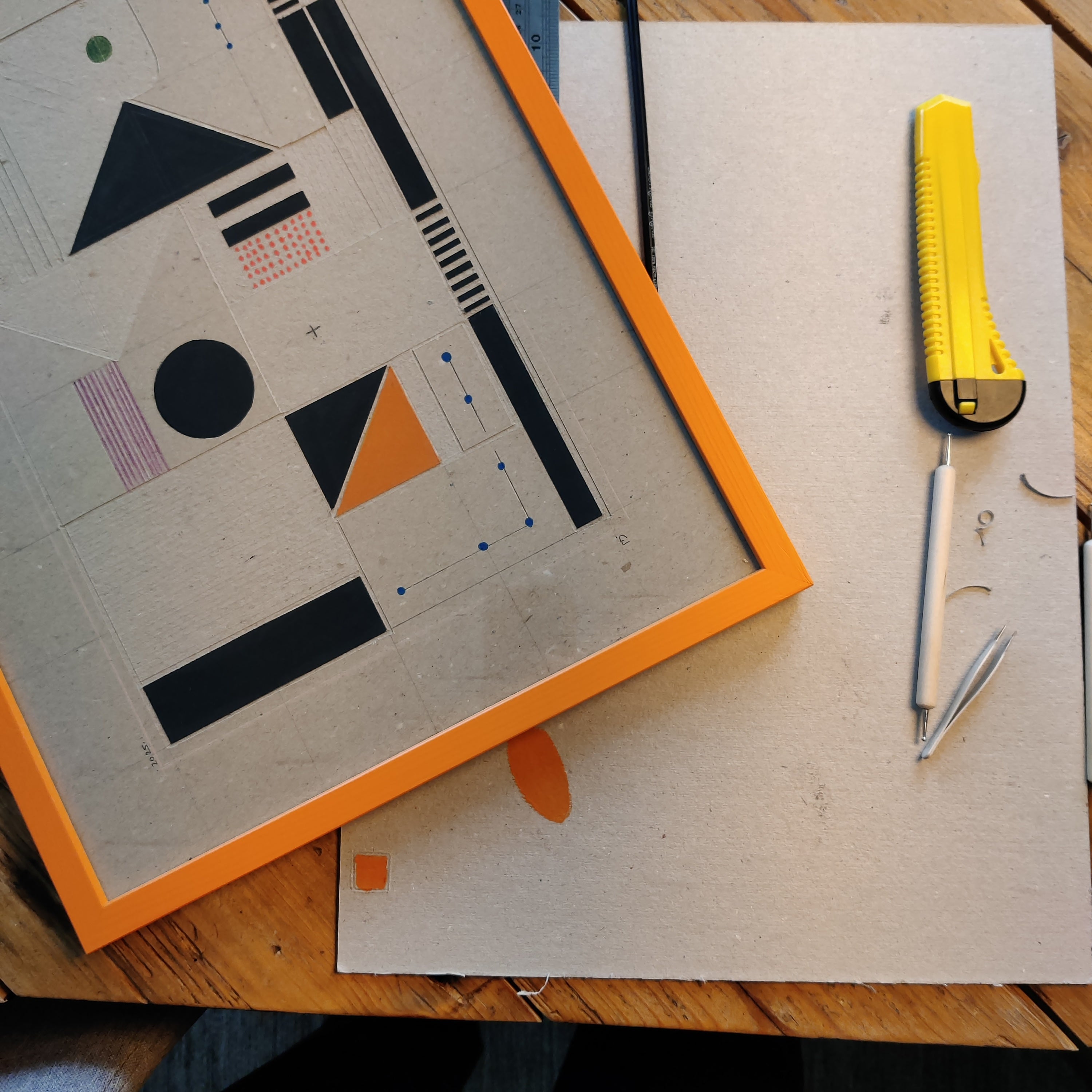
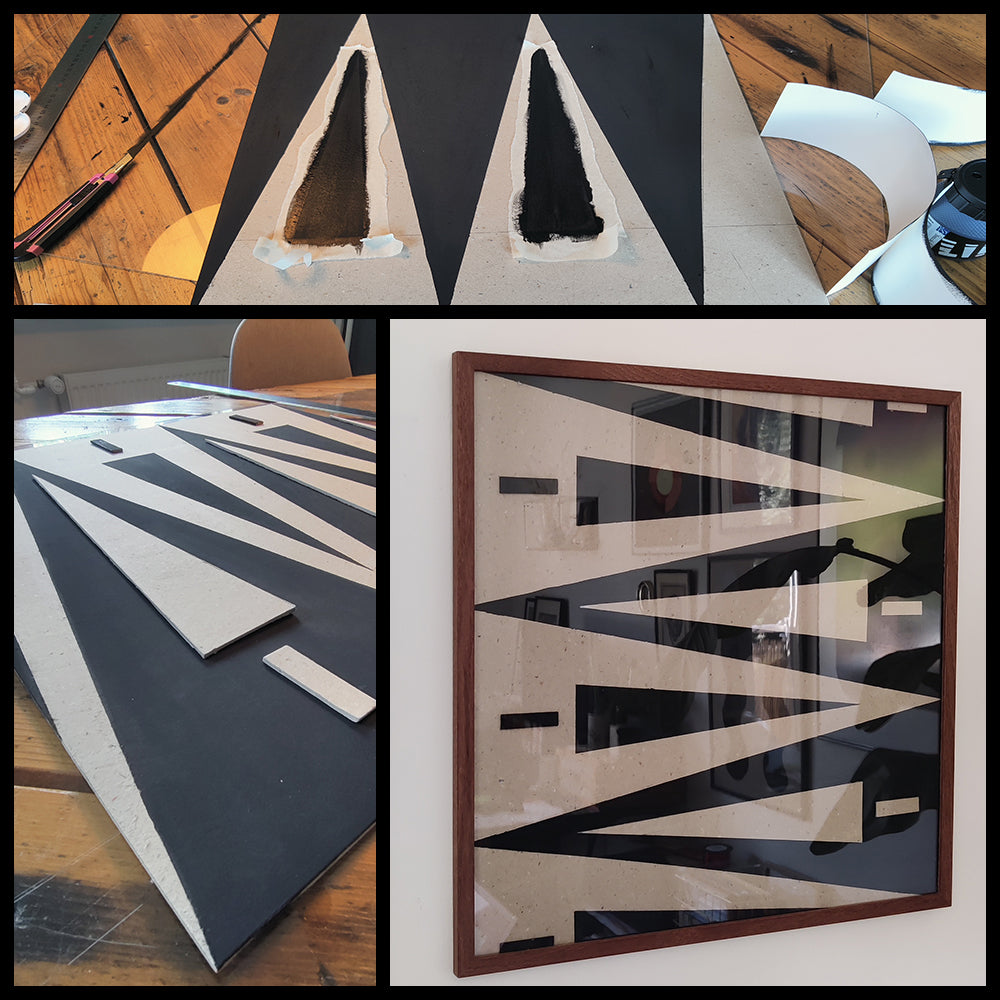
Cardboard relief is Slow Art in a very literal sense: each line must be cut, each layer fixed, each edge painted. The work Geometric Lines with Painted Edges—priced at about 401 €—shows how far a simple material can be taken through patient repetition. Pencil lines intersect across the surface while edges painted in red and black add a sculptural border.
What stands out here is the rhythm. When viewing this piece slowly, the eye moves from line to line, catching slight variations in pressure, spacing, and thickness. The outer edge forms a calm frame, while the interior is full of quiet activity. This kind of artwork is built for extended looking in a living room or study.
6. Original Geometric Relief on Cardboard: Depth as a Timeline
Original Geometric Relief Sculpture on Cardboard – 401 €
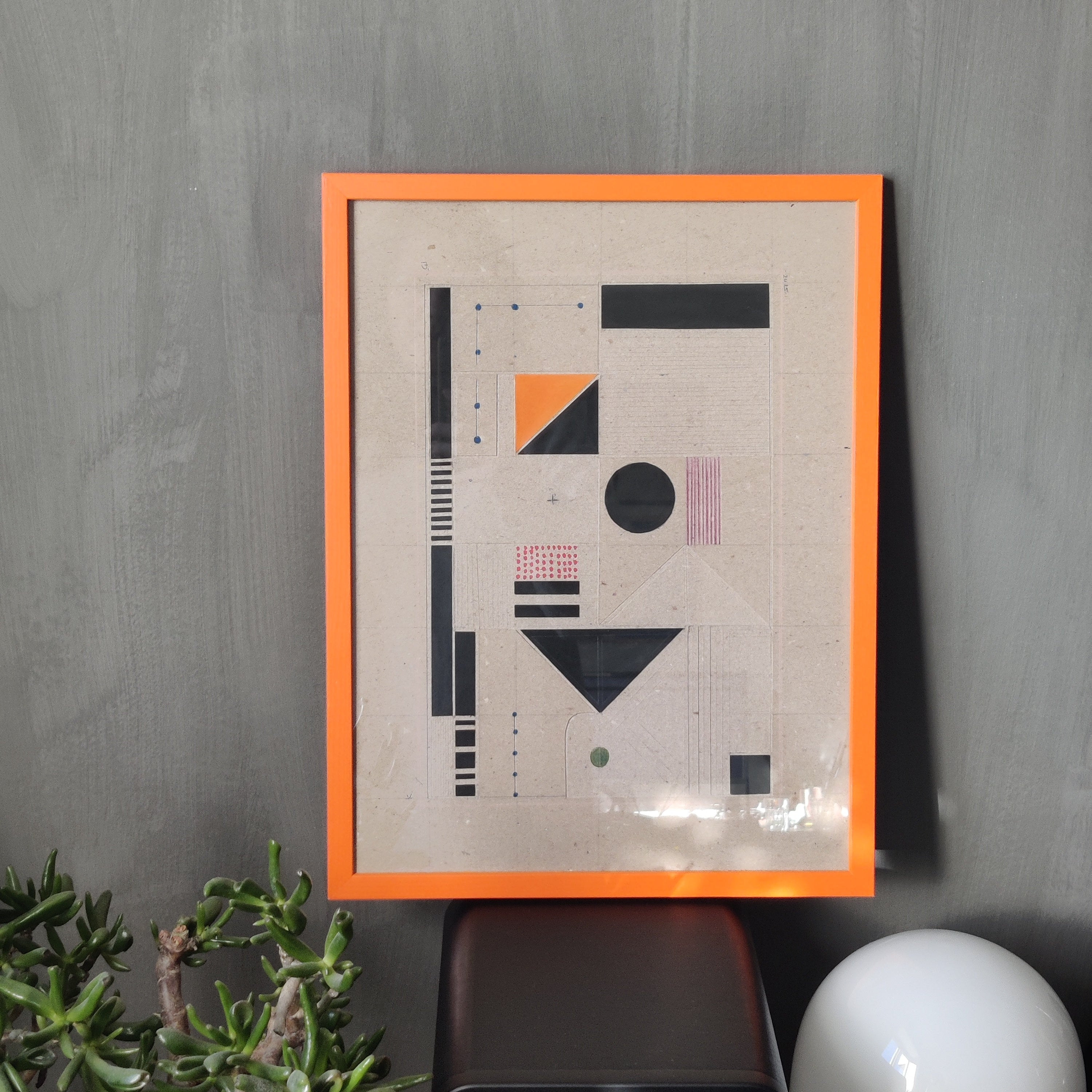
Another key Slow Art piece is the Original Geometric Relief Sculpture on Cardboard, also around 401 €. Here, layered cardboard shapes build true depth: blocks of red, blue, orange, and yellow step forward and backward from the surface. Each additional layer represents decisions made over time.
In slow viewing, this kind of artwork becomes almost like a small architecture. Light creates shifting shadows as the day moves, so the piece never looks exactly the same. The more a viewer studies it, the more relationships between colors, heights, and shapes become visible, turning a simple rectangle into a daily meditative object.
7. “Paper Pulp Rocket Man” and Narrative Slow Art
Paper Pulp Rocket Man – 289 €
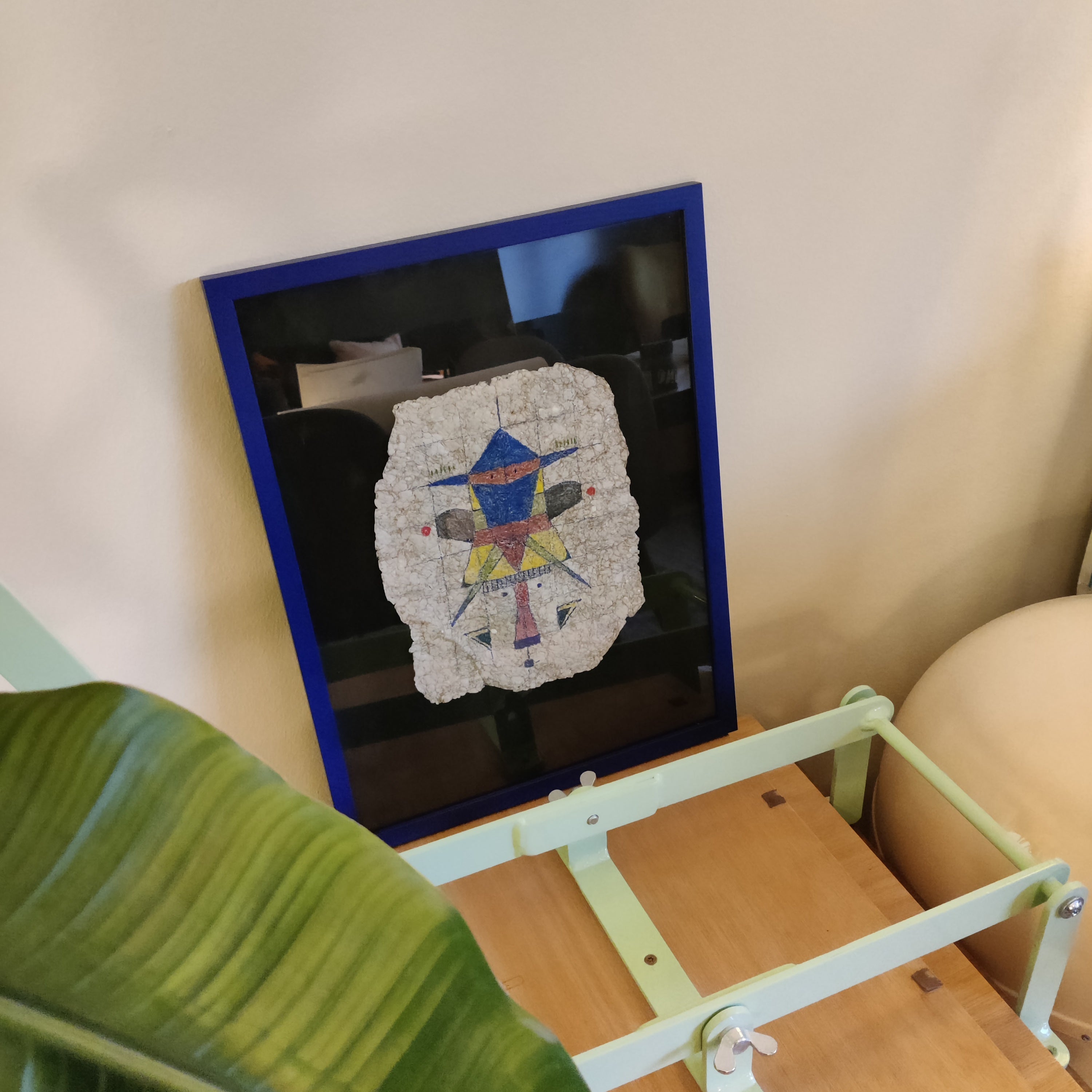
The Paper Pulp Rocket Man bridges sculpture and illustration. At about 289 €, this work combines a character-driven motif with textured pulp and painted surfaces. The rocket and figure are not just printed; they are built, layer by layer, into a tactile relief.
As Slow Art, Rocket Man offers a story that unfolds slowly. A viewer may first notice the overall silhouette, then details in the suit, the rocket flames, or subtle paint variations. Because the surface is uneven, light glides differently across various parts of the figure, so the narrative changes slightly depending on time of day and angle.
8. Diamond and Zig-Zag: Sculptural Slow Art for Walls
Original Diamond Cardboard Artwork – 401 €
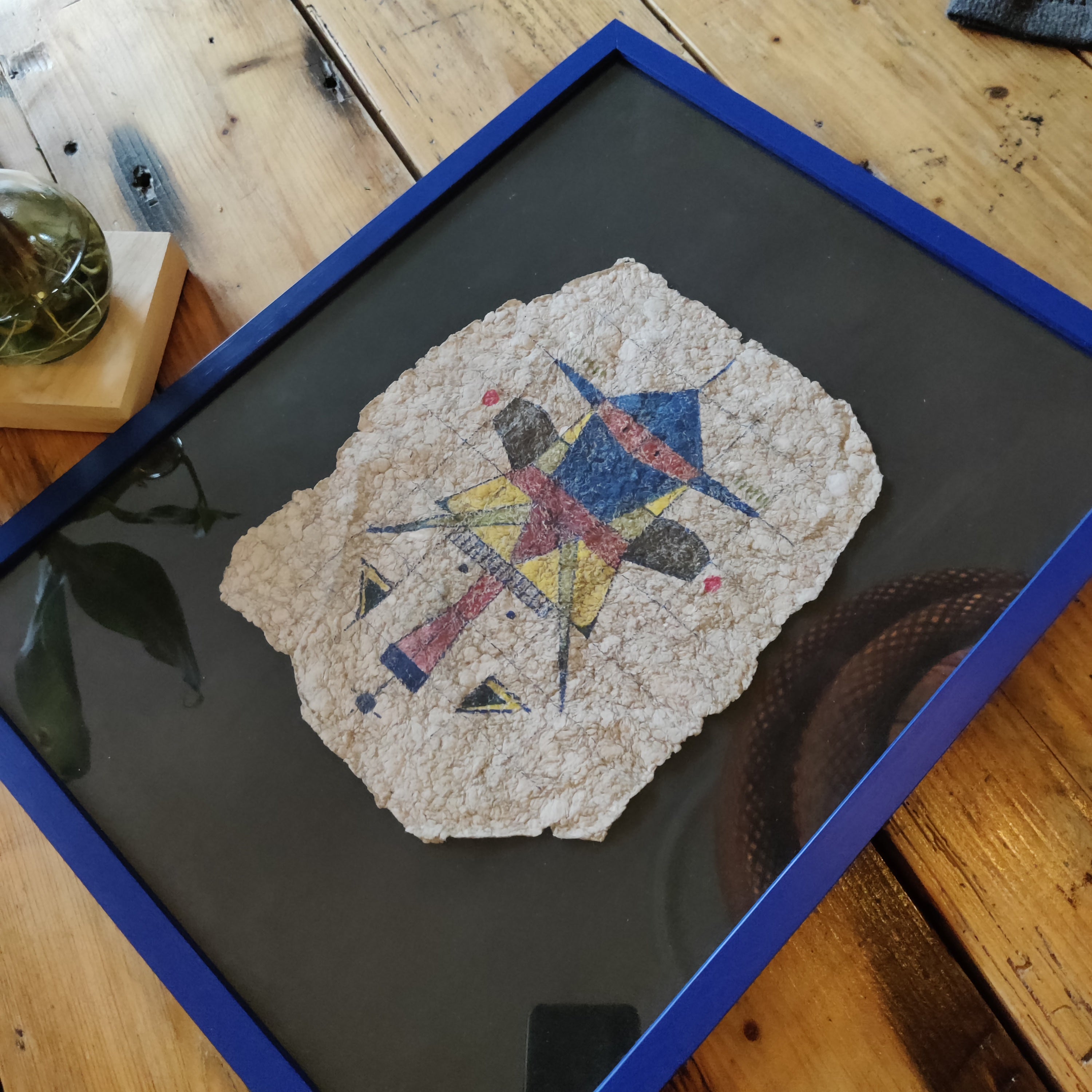
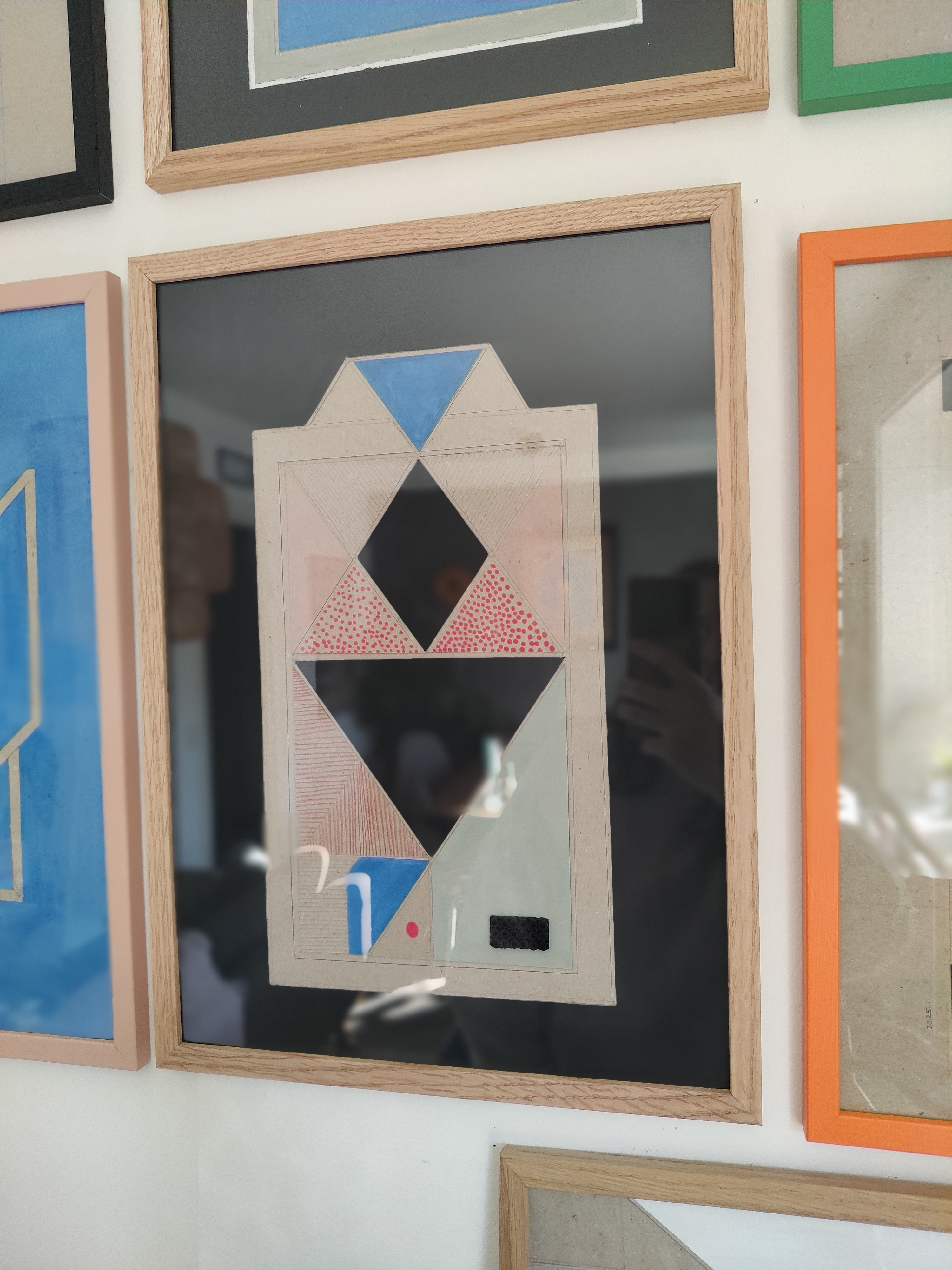
The Original Diamond Cardboard Artwork shows how Slow Art can move beyond simple rectangular frames. Its diamond-shaped form, priced around 401 €, requires careful planning: rotation, balance, and layered cuts all need to be considered so the piece hangs and reads correctly.
Looking at this work slowly reveals how the layers build towards the center, and how color and line respond to the unusual orientation. The diagonal format naturally slows the viewer down; the eye does not glide across it as easily as it would across a horizontal canvas, so one spends more time exploring corners and edges.
9. Slow Art in Poster Form: Blue Penguin & Mystical Cardboard Juice
Blue Penguin Poster – 80 €
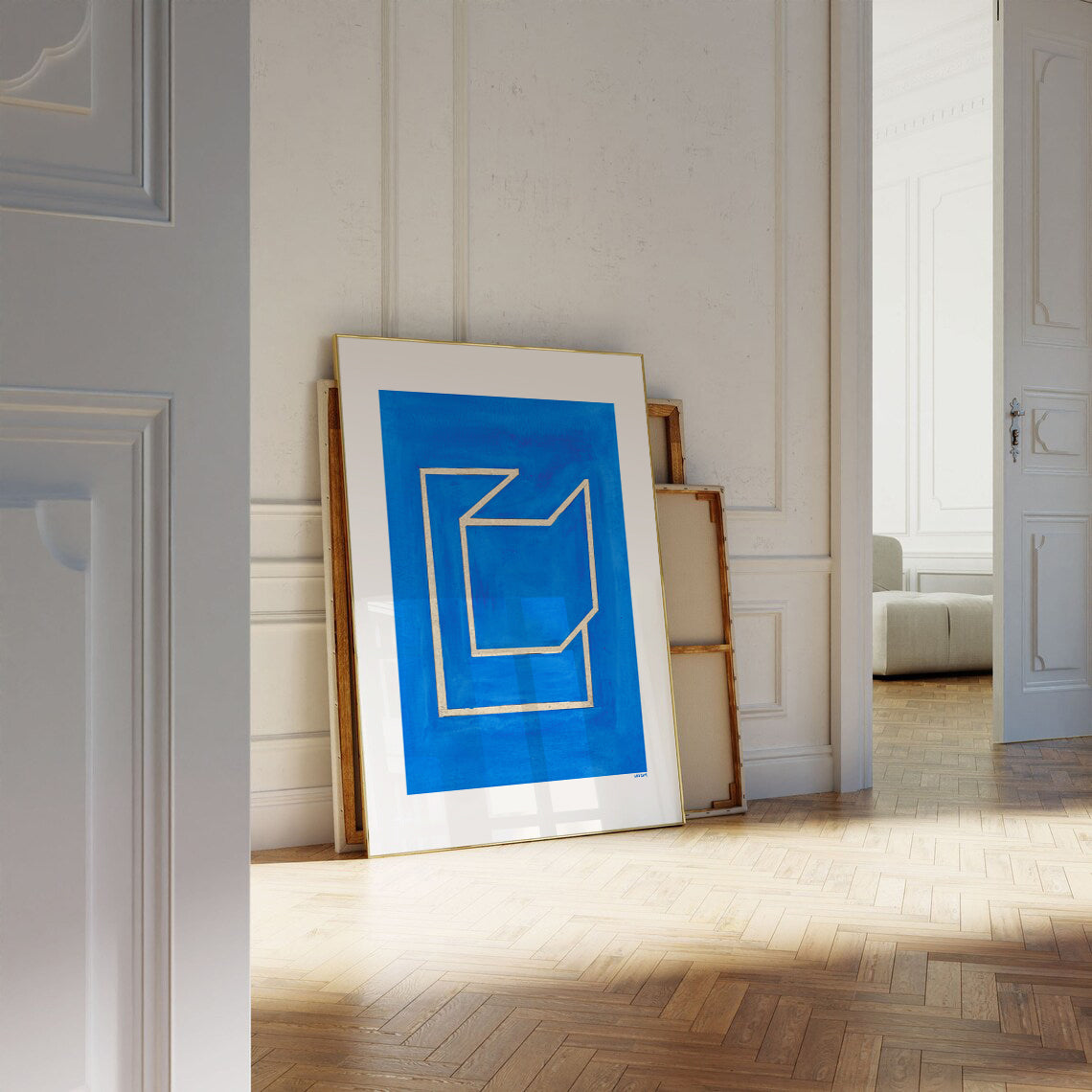
Not every Slow Art piece must be an original relief. Posters derived from slow, handmade originals carry the same thoughtful composition and rhythm. The Blue Penguin Poster, at about 80 €, presents a simple character built from bold color blocks and a carefully balanced silhouette.
Mystical Cardboard Juice Poster – 80 €
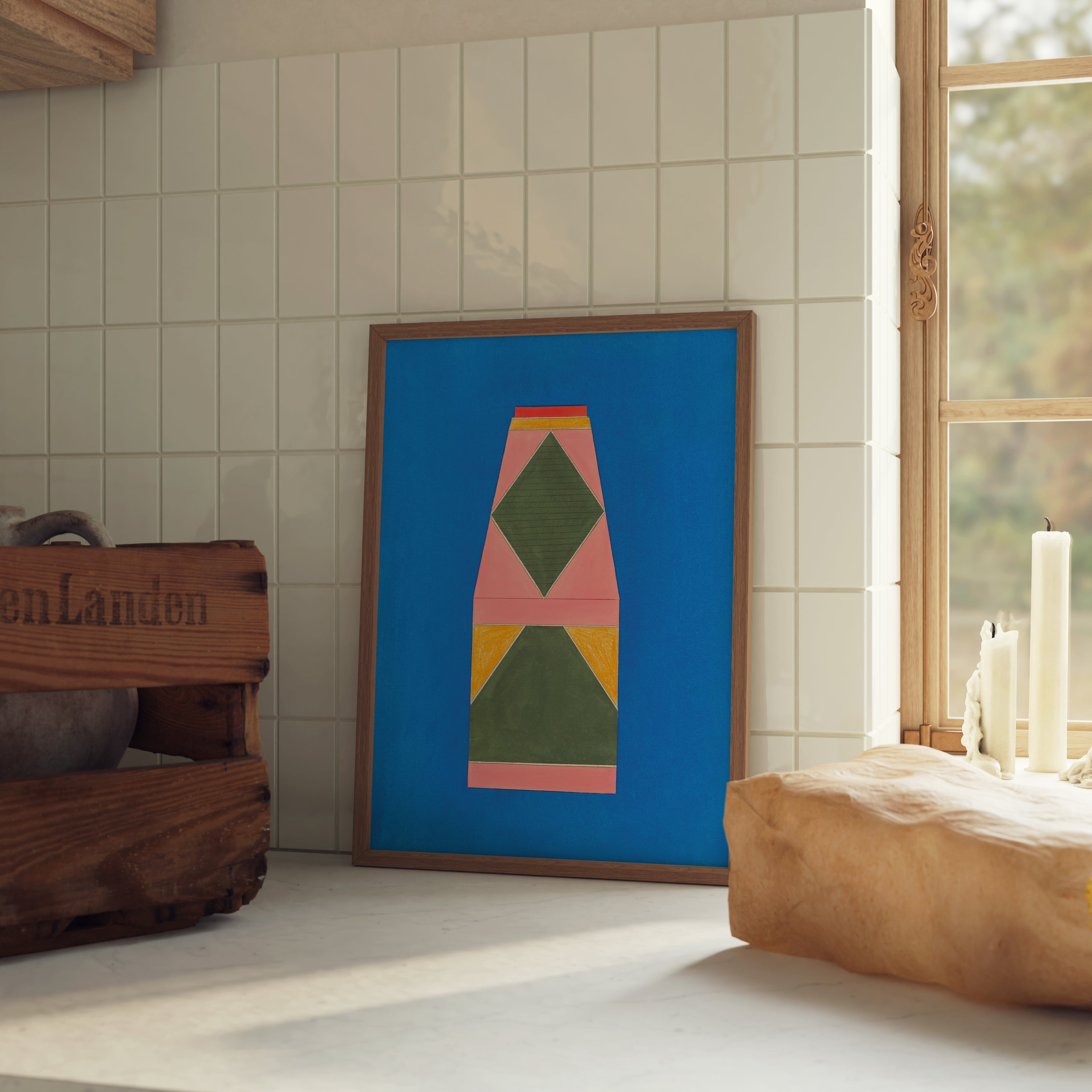
The Mystical Cardboard Juice poster, also around 80 €, translates stacked cardboard and pulp aesthetics into a printed form. Even as a print, it encourages unhurried looking: tracing the shapes of bottles or stacked forms, noticing how colors relate, and imagining the original textured surface behind the image.
10. Architectural and Abstract Posters as Everyday Slow Art
Architectural Building Poster – 80 €
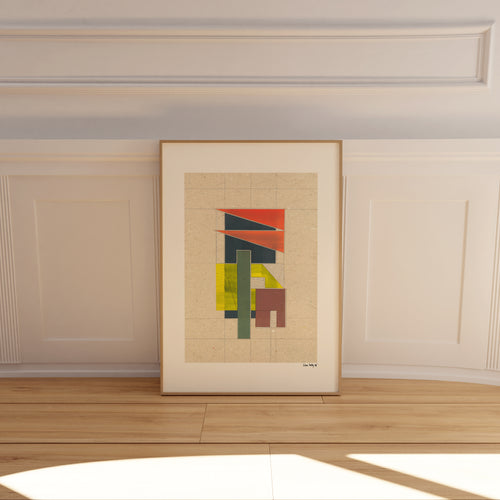
The Architectural Building Poster turns minimal shapes into a quiet, structured composition. At around 80 €, it offers a way to bring Slow Art into everyday environments like offices, hallways, or dining areas. The blocks of color and implied building forms invite the eye to wander slowly from base to roofline.
In a daily setting, such posters function as pauses. Instead of loud, over-detailed imagery, they give a calm arrangement of rectangles and negative space. Over time, repeated casual glances build familiarity, and the viewer starts to notice alignments, small overlaps, or how the piece relates to surrounding furniture and light.

11. Bringing Slow Art into Daily Life: How to Look and How to Choose
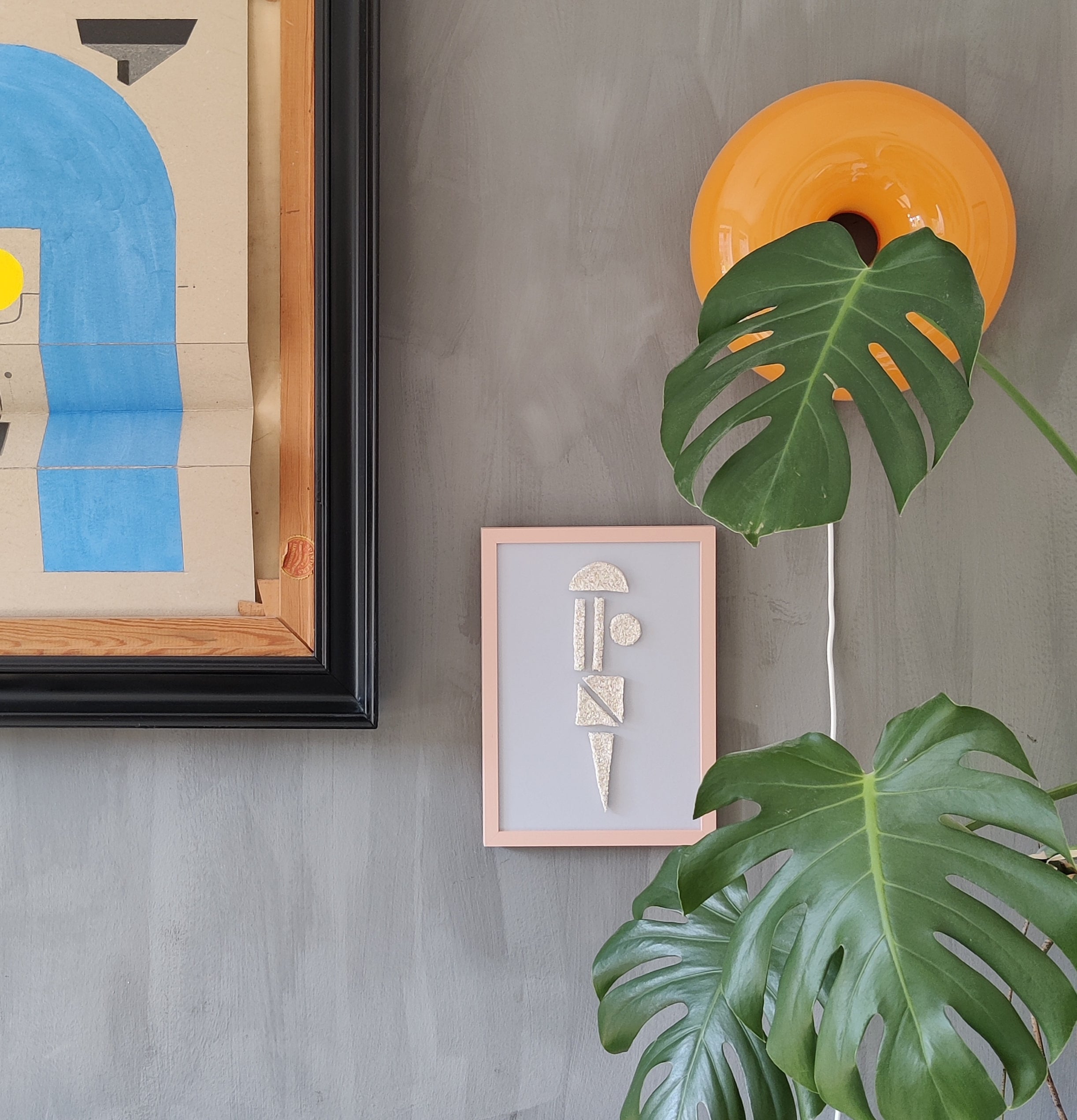
Living with Slow Art means choosing fewer pieces and giving them more space. One strong paper pulp mask, a single geometric relief, or one carefully placed poster can be enough to change the pace of a room. The key is leaving distance and light so viewers can approach, step back, and spend time with the work.
When choosing Slow Art for a home or workspace, it helps to consider three factors: texture, time, and tone. Texture refers to how the surface looks and feels; time concerns the visible evidence of process; tone is about how calm or energetic the composition feels. Matching these to how a room is used (quiet reading, social dining, focused work) makes the piece naturally integrate into daily routines.
Conclusion
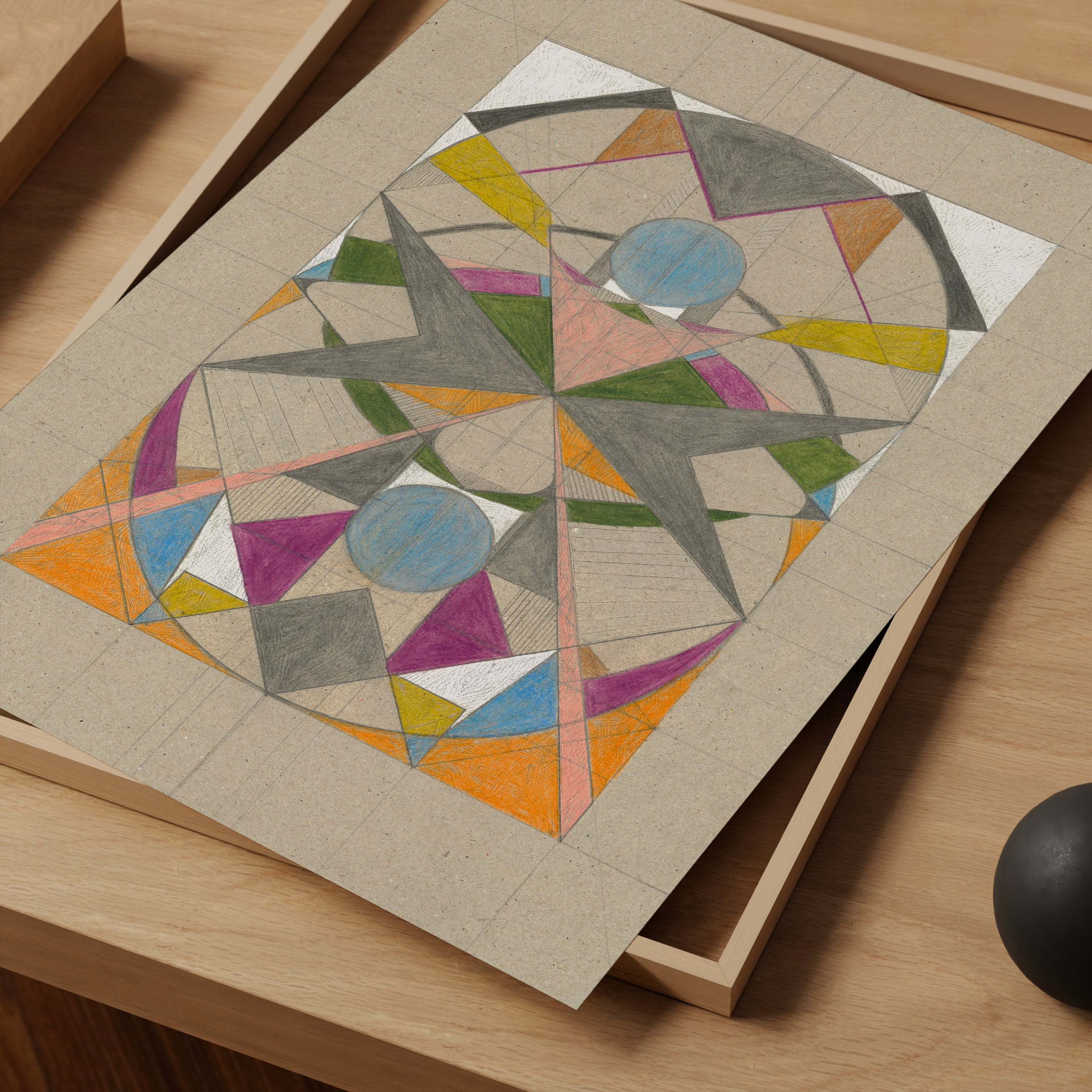
Slow Art with paper pulp and cardboard is not about perfection; it is about presence. Each crease, fiber, and brushstroke records a moment in time, and those moments stay visible on the wall for years. Whether through a 401 € cardboard relief, a 145 € paper pulp creature, or an 80 € poster inspired by these originals, the viewer receives a quiet invitation to look more carefully.
In a visual culture that moves quickly, Slow Art offers a different rhythm—one that values attention, patience, and the small discoveries that only appear after a few minutes of unhurried viewing. For anyone wanting art that feels honest about the time it took to make, cardboard and paper pulp reliefs provide a direct, tactile answer.